



- Home Page
- Company Profile
-
Our Products
- Operation Theater Light
- Western Surgical Examination Light
- Xenon Lamp For Light Sources (P 21 A)
- LED Opaline 500 Twin Ceiling Model
- P 11 B Model - WS ME401H
- Headlight With Loupe
- Led Light Twin Ceiling Model
- Holders Lamps
- CFL UV Tubes
- Analiser Lamp
- Halogen Lamp
- Bulb Lamp Opthalmoscope
- OT Light Spare Lamp
- Halogen Lamp Without Reflactor
- Halogen Lamp with Reflector
- Dental Lamp
- Microscope Lamp
- Halide Metal Lamp
- Lamp Holder
- Xenon Lamps
- Surgical Led Light Torch
- Back Up LED Light
- Light Halogen Wall Model
- OT Light Glass Reflector
- Led Light L 20 Celing Model
- Led Light L 20 Stand Model
- Led Light L 20 Celing Model Twin Dome
- Led Light L 4+4 Celing Mode
- Led Light L 4 Stand Model
- Led Light L 3 Celing Model
- Led Light L 3 Stand Model
- Led Light L 3+3 Celing Model
- Led Light L 4+3 Celing Model
- Model - WS ME301H
- Model - WS ME301H
- P 9 A Model - WS ME401H
- P 9 B Model - WS ME401H
- P 10 A Model - WS ME401H
- P 10 B Model - WS ME401H
- P 11 A Model - WS ME401H
- LED Light L 20 Ceiling Model
- P 12 A Model - WS ME401H
- P 12 B Model - WS ME401H
- P 12 C Model - WS ME401H
- P 12 D Model - WS ME401H
- Led Light 30D Celing Model
- Led Light 30S Celing Model
- Led Light Opaline 500 Celing Model
- Led Opaline 500 Twin Celing Model
- Led Opaline 700+500 Twin Celing Mode
- OT Light Glass Reflactor Halogen Ceiling
- OT Light Glass Reflactor Halogen Stand
- OT Light Glass Reflactor Halogen Ceiling 2 Dome 1 MS
- OT Light Halogen Multiple Fecet Ceiling Single dome C 70
- Multiple Facet Light
- OT Light Halogen Multiple Fecet Ceiling Single dome C 50
- Multiple Facet Light
- OT Light Alluminium Reflactor Halogen Ceiling 2 Dome 14
- Premium OT Light Alluminium Reflactor Halogen Stand 14
- OT Light Alluminium Reflactor Halogen Stand 14
- White OT Light Alluminium Reflactor Halogen Stand 14
- OT Light Alluminium Reflactor Halogen Stand 14
- OT Light Glass Reflactor Halogen 14 Wall
- Led Light Wall 12w
- White Light Led Light Stand 12w
- HALOGEN SPOT LIGHT Spot Light Halogen Stand
- Light Regular Stand 150w Lamp
- Angle PoiseLight Stand Lamp (Helmet Type)
- Back up Light Led 3v
- Led Light Torch 3v
- Xenon Lamp for Light Sources
- Xenon Lamp for Light Sources
- Xenon Lamp for Light Sources
- Lamp Holders
- Lamp Holders
- Lamp Halide metal
- Lamp Microscop
- Lamp Curing for Dental
- Lamp Halogen with Reflacto
- Halogen Lamp Without Reflactor
- OT Light Spare Lamp
- Bulb Lamp Opthalmoscope
- Halogen Lamp PG22 Base
- CFL UV Tubes
- Analiser Lamp
- Holders Lamps HANAULUX Original
- Holders Lamps HANAULUX Original
- Operation Theater Light
- Medical Halogen Headlight
- Light Source
- LED Light Source
- LED Light l 3 Ceiling Model
- FIBER OPTIC CABLE P 397 A
- LED Light L 20 Ceiling Model
- LED LIGHT L 4-4 CEILING MODEL
- LED Light 3+3 Ceiling Model
- LED Light 700 500 Twin Ceiling Model
- Xenon Lamp For Light Sources (P 21 A)
- FACE MASK
- Laparoscopy Setup
- Bipolar 'X' Handle Plate
- CO2 [AF - 40LC]
- Uterine Manipulator V Type
- High Power LED Light Sources
- Endoscopy Trolley with keyboard Drawer
- Scope Protection Tube 10 mmC
- Vaginal Tube
- Jaws .
- Spatula
- Port Clourse storez type
- Port Closure Needle
- Vessel Sealer with Cutter mm
- Straight jaws TC ethlcon type 5mm
- Mini Lap, Traumatic, Non Traumatic
- Curved Jaws TC oms type 5 mm
- Curved Jaws TC ethicon type 5 mm
- Ethlcon type needle holder
- Alpha Deluxe 1Ccd Hd Camera Om169Sr
- Nande's Type
- Uterine Manipulator Cup Set of 3
- Lap Bi clamp Dissector Maryland PRP, Lap Bi-clamp Fenestrated grasper SA PRP, Lap Bi clamp blunt
- Air Insufflator
- Alphacam Digital
- Dual Cold Halogen
- Suction Irrigation Pump Digital
- Alphacut Basic
- Alpha Endo Laparo Cold Light Source Halogen
- Endoscopy Camera
- Alpha Cam Digital
- Surgical Accessories
- Crayo's Different Probes
- Alpha Fiator
- Endoscopes
- Diagnostic Sheath
- Hysteroscopy
- Drive Morcellator
- Luma Monitors
- Xenon Light
- AlphaCam HD
- CO2 [AF - 30LC]
- Endoscope CO2 [ AE- 05LC ]
- Camera Head with Coupler
- DIGI-Technology
- Monopolar Spatula 5mm
- Aspiration needle 5mm
- 2 way suction irrigation cannula 5mm
- Knot pusher with reducer
- Three Part design
- Easy to use ratchet mechanism
- Simple assembly and Disassembly
- Laparoscopy Instrument
- Reducer 10/50mm Flip O
- Trocar cannula CFT
- Reducer Metal Sleeve
- P 43 B Trocar Cannula CFT
- Veress Needle VN-21-120
- Fiber Handle Rachet FHBR-03
- Jaws .
- Plain Fiber Handle FHP - 01
- Lap Bi-clamp plain grasper DA PRP
- 'L' Hook Ptfe
- Surgical Trumpet Suction Irrigation Cannula P 39 P
- Trumpet suction irrigation cannula
- 2 way suction irrigation cannula
- Clip Application
- 10 MM Clip Applicator P 39 M
- 2*4 grasping forcep T.C. PRP
- 2*3 grasping forcep PRP
- Fenestrated grasping forcep
- Curve scissor metzanbaum PRP,Dissector grasping forcep, Universal grasping forcep
- Metal reducer
- Trocar cannula magnetic pyramidal plain
- Trocar Cannula Cft Pyramidal Plain P 39 B
- Trocar cannula CFT pyramidal plain
- Thermomat .
- Clippanger Type pipe moving 5mm
- Standard plate Type 5mm
- Standard Clippanger Type 5mm
- Pranay's vaginal tube 32/38 mm
- Myoma screw 5mm
- Ring Application 7mm
- Endoknife 5mm
- Utrine manipulator p12
- PCOD Needle 5mm
- Glark .
- Bnandarkara .
- Port Clourse varsha small
- Port Clourse small
- Bipolar Electrodes
- Medical Needle
- 'L' Hook
- Fan (kite type) 5mm
- Fan Three prong 10mm
- Fan Three prong 5mm
- 2-way Bilding valve 16mm
- Z - way sliding valve 5mm
- Bipolar U bissinger Handle
- Bipolar U spring Handle
- Bipolar X Handle
- Double grasper
- Fan retractor handle
- Metal handle bottom ratchet
- Metal handle plain
- Fibre handle middle ratchet
- Fibre handle plain
- Claw Forceps 10mm
- Oms type needle holder
- Clip Applicator
- Cholangiogram Forceps
- Pile Gun
- Self Allgning 5mm ethicon type
- Straight jaws TC oms type 5mm
- ALPHACAM HD VISION
- Scope Protection Tube 5 mm
- Die Injector 2
- Die Injector 1
- Marwa Mainpulator
- Sukadhya Manipulator
- Set Of Tinaculam 45
- K.S. Type
- Tinaculam 45
- Liver Retractore 5mm,Liver Retractore 10mm,Gold Finger 90 deg 5mm
- S/A Bowl
- S/A Ruby
- S/A Maryland
- Bi-Polar Single Action Detachable P 20 J
- D/A Maryland
- D/A Bowl
- D/A Ruby
- D/A Maryland
- Bi-Polar Double Action P 20 E
- Disposable Trocar 5 mm
- Nande Needle Curved
- TOT Needle R & L
- Telescope 10mm LPHD-10-315-30
- Cidex Tray 2 in 1 Lapro / Urology
- Cidex Tray for Lapro / Urology
- Formalin Chamber
- Servo Voltage Stabilizer
- Co2 Cylinder
- Single Port Instruments
- Lemke High Defination (HD-Camera)
- CO2 Insufflator AF-25L
- Economy Laparoscopy / Monitor Trolley
- Endo/Laparoscopy Trolley
- Laparoscopic Set
- Endotrainer
- Barco Monitor 19
- Air Insufflator AI-10
- LED Light Source L-300
- LED Light Source
- Alpha Xenon Light Source 300w
- Alpha Dual Cold Light Source Halogen
- Backup Light Source
- Alphacam HD Vision
- Alphacam DLX-169
- Alphacam Digital
- Alpha Endoscopes
- PHYSIOTHERAPY PRODUCT
- P 89 A Lower and Upper Limbs
- P 127 A Crawling and Walking Item
- P 134 A Crawling and Walking Item
- P 131 A Crawling and Walking Item
- P 109 A C.P.
- P 87 A Lower and Upper Limbs
- P 68 A Lower andUpper Limbs
- suspension & Diagnostic Item
- Black Automotive Suspension AND Diagnostic Item
- Hard Metal Suspension AND Diagnostic Item
- Physio Medical Suspension And Diagnostic Item
- P 62 A Lower and Upper Limbs
- P 101 A C.P.
- P 82 A Lower andUpper Limbs
- P 92 A Lower and Upper Limbs
- P 72 A Lower and Upper Limbs
- P 143 A Equipments General
- Short Wave Diathermy
- Laser Therapy
- Ultrasound Therapy Unit
- P 91 A Lower and Upper Limbs
- P 117 A Crawling and Walking Item
- P 135 A Crawling and Walking Item
- Multichannel Stimulator
- Wax Bath
- Continous Passive Motion
- Diagnostic cum therapeutic stimulator , DSL - 007
- Mini Muscle Stimulator- Single Channel / with TNS
- Mini Tens - Double Channel
- IFT mini (LCD)
- Hydrocollator Unit
- Major Tens (Four Channel)
- IFT (Major)
- Mini Tens - Single Channel
- Power Stretch Gel Ball
- Infrared / Ultraviolet Lamp
- Mini Muscle Stimulator - Double Channel
- Power Stretch Latex- free exercise ball
- Knee & Neck Connectors
- Traction - Cervical cum Lumber
- P 86 A Lower and Upper Limbs
- P 53 A Lower and Upper Limbs
- Bodyshape - Slimming Unit
- Medical Therapy Suspension AND Diagnostic Item
- Bodyshape - Slimming Unit
- Short Wave Diathermy
- Power Stretch Stability Disc
- WPT10 Suspension AND Diagnostic Item
- Resistance Latex Belts
- Shoulder Wheel
- Lightweight Suspension AND Diagnostic Item
- P 54 A Lower and Upper Limbs
- P 58 A Lower and Upper Limbs
- P 57 A Lower and Upper Limbs
- P 67 A Lower andUpper Limbs
- P 74 A Lower and Upper Limbs
- P 90 A Lower and Upper Limbs
- P 93 A Lower and Upper Limbs
- P 105 A C.P.
- P 110 A C.P.
- P 132 A Crawling and Walking Item
- P 137 A Crawling and Walking Item
- P 138 A Crawling and Walking Item
- P 141 A Equipments General
- Physiotherapy Medical Equipment
- Power Stretch (Latex & Latex-Free Band)
- P 63 A Lower and Upper Limbs
- Standard Stimulator
- P 78 A Lower and Upper Limbs
- P 66 A Lower and Upper Limbs
- P 77 A Lower and Upper Limbs
- Suspension & Diagnostic Item
- P 115 A Crawling and Walking Item
- Loops
- P 128 A Crawling and Walking Item
- P 124 A Crawling and Walking Item
- Physiotherapy Equipment
- P 61 A Lower and Upper Limbs
- suspension & Diagnostic Item
- P 88 A Lower andUpper Limbs
- P 144 A Equipments General
- P 118 A Crawling and Walking Item
- Medical Suspension AND Diagnostic Item
- Traction Table
- Lightweight Hospital Suspension AND Diagnostic Item
- Medical Multipurpose Fitness Training Equipment
- P 126 A Crawling and Walking Item
- High Accuracy Suspension AND Diagnostic Item
- P 130 A Crawling and Walking Item
- P 125A Crawling and Walking Item
- Physiotherapy Light Weight Gym Equipment
- P 56 A Lower and Upper Limbs
- P 111 A C.P.
- P 122 A Crawling and Walking Item
- P 95 A Lower and Upper Limbs
- P 101 A C.P.
- P 108 A C.P.
- P 145 A Equipments General
- P 69 A Lower and Upper Limbs
- P 116 A Crawling and Walking Item
- Premium Multiexerciser
- P 70 A Lower and Upper Limbs
- P 99 A C.P.
- P 83 A Lower and Upper Limbs
- P 51 A Lower and Upper Limbs
- P 55 A Lower andUpper Limbs
- P 65 A Lower and Upper Limbs
- P 104 A C.P.
- P 121 A Crawling and Walking Item
- P 84 A Lower and Upper Limbs
- Grip Wrap
- P 129 A Crawling Walking Item
- P 81 A Lower and Upper Limbs
- Multiexerciser
- P 136 A Crawling and Walking Item
- P 139 A Equipments General
- P 79 A Lower and Upper Limbs
- P 94 A Lower and Upper Limbs
- Medical Gym Equipment
- P 120 A Crawling and Walking Item
- P 75 A Lower and Upper Limbs
- P 73 A Lower and Upper Limbs
- P 148 A Equipments General
- P 113 A Crawling and Walking Item
- P 71 A Lower and Upper Limbs
- P 150 A Equipments General
- P 59 A Lower and Upper Limbs
- P 80 A Lower and Upper Limbs
- P 140 A Equipments General
- P 123 A Crawling and Walking Item
- P 96 A Lower and Upper Limbs
- P 85 A Lower and Upper Limbs
- Resistance Conveyor Belt
- P 76 A Lower and Upper Limbs
- p 114 a Crawling and Walking Item
- P 100 A C.P.
- P 142 A Equipments General
- Physiotherapy Suspension AND Diagnostic Item
- P 64 A Lower and Upper Limbs
- P 52 A Lower and Upper Limbs
- Therapy Auto Suspension AND Diagnostic Item
- P 133 A Crawling and Walking Item
- P 147 A Equipments General
- Manual Multiexerciser
- P 146 A Equipments General
- P 112 A C.P.
- P 97 A C.P.
- P 102 A C.P.
- Physiotherapy Gym Equipment
- P 149 A Equipments General
- P 107 A C.P.
- P 98 A C.P.
- IFT + MS + TNS (Combo unit)
- Glucometer
- Resistance Exercise Belts
- P 119 A Crawling and Walking Item
- P 103 A C.P.
- Gynaecology Instruments
- PEDIATRIC EQUIPMENTS
- ECG Machine Contact 1200 G 12 Channel
- Medical Oxygen Hood
- Oxygen Hood
- Warmer with sepret trolley (infant warmer with Dual probe)
- Adult Body Warmer
- Ultrasonic portable mesh nebulizer
- Breast Pump Special Manual
- Syringe Pump Touch Screen
- Contact Phototherapy
- Warmer with sepret trolley servo single probe(infant warmer skin/manual)
- Electric Breast Pump With Baby Nose Cleaner
- CFL Phototherapy
- Medical Contact Phototherapy
- Intensive Care Incubator
- Neonatal Resuscitation System
- Rectangular Contact Phototherapy, For Hospital
- Warmer stand with Dual probe
- LED Phototherapy
- Wall Mounting warmer single probe
- Baby body Warmer
- Fixed Cradle Warmer
- Fixed Cradle Warmer Servo
- Warmer Stand Servo
- Infant Warmer
- Infant Warmer
- Double Surface CFL Phototherapy
- Suction Unit
- ECG Machine Contact 300 G 3 Channel
- Patient Monitor Multipara 12.1 Touch Screen
- Wall Mounting Warmer Double Probe
- Breast Pump Electric
- Hospital Furniture
- Laser Machine Trolley For Ophthalmic
- Fixed Height Icu Classic Motorized
- Fowler Position Bed
- Fixed Height Icu Classic Manual
- Emergency Trolley With Drawer
- Instrument Trolley S.S. Top
- 3 Self Steel Trolley 20"x 30"
- Misan - M3 Head / Foot Bow
- Medical Scrub Sink
- ICU Classic Manual Deluxe
- Migo - M5 Head / Foot Bow
- MINANA - MSR2 Side Railing
- Folding Stretcher Canvas
- Miyon - M4 Head / Foot Bow
- Miyon - M4 Bow Bed
- Mijuuni - M8 Head / Foot Bow
- Hospital Laundry Trolley
- Foot Operated Sanitizer
- Baby Resuscitation Trolley
- Fowler Position Bed Classic Motorized
- Folding Stretcher 2 Fold
- Patient Transfer Trolleys
- Fowler Position Bed Classic Motorized
- Miku - M6 Bow Bed
- X-RAY VIEW LED IMP S/F
- Instrument Trolley S.S. 27"x 18"x 30"
- MIHACHI - MSR3 Side Railing
- Icu Excel Motorized
- Mattress For Labour Table
- Medical Attendant Bed
- Miju - M7 Bow Bed
- Mini - M2 Head / Foot Bow
- Miju - M7 Head / Foot Bow
- Migo - M5 Head / Foot Bow
- X-RAY VIEW LED IMP D/F
- WS-X13 Scrub Sink
- Foot Operated Sanitizer
- X-RAY APPRON STAND
- HOSPITAL CHAIR
- Drop Side Baby Bed
- ICU Classic Motorized
- Fixed Height Icu Excel Motorized
- Fowler Position Bed Classic Motorized
- Icu Classic Manual
- Plain Bed Excel
- Semi-Fowler Bed Excel
- Fowler Position Bed Excel
- Plain Bed
- Economy Bed
- Attendent Bed
- Semi Fowler Bed
- Drop Side Baby Bed
- Bed Side Railing M.S. Fix
- Bed Side Reling Allu. Folding Imp.
- Bed Side Reling S.S.Allu.Folding Imp.
- Twin Bed For Medical Hostel
- Mosquito Net Poles
- Matteress For Hospital Beds
- B-Two Section Mattress For Semi-Fowler Beds
- C-Four Section Mattress For Fowler/I.C.U. Beds
- Waste Carrying Trolley
- Bio Medical Waste Bins
- BMW Box Type Trolly
- BMW Box Type Trolly Ms/Steel Both Available
- BMW Box type trolly MS/Steel both available
- BMW Box type trolly MS/Steel both available
- Examination Table Head Up
- Examination Table With Drawer
- Examination Table With Out Drawer
- Examination Couch With Head Up
- Examination Couch Physician/Gynaec Type
- Operation Table Screw Type
- Delivery Table Steel Top
- Delivery Table Ms Top
- Telescopic Delivery Table
- Delivery Table (Gynceologic Couch)
- DELIVERY TABLE (Gynceologic couch)
- Delivery Table (Hydraulic)
- Delivery Table (Electric)
- Instrument Trolly
- Dressing Trolley
- Emergency Drug Trolley
- Rect. Stainless Steel Bed Side Trolley
- Sq. Stainless Steel Bed Side Trolley
- Ecg Trolly Steel
- Food Trolly Steel & Ms 24"*48"*2 Salf
- Ecg/Difebrilator Trolly
- Derma Trolly
- SCRUB SINK
- Baby Resuscitation Trolley
- Ecg Trolly 18"*20"*36"H Fully Steel 3 Self With
- Ecg Trolly 18"*18"*33"H Steel Top 3 Self
- Ecg Trolly 18"*18"*33"H Steel Top 3 Self With Draw
- Over Bed Table Push Type
- Automatic X-Ray Prossesor Trolly
- Adjustable Bed Side Table
- Adjustable Bed Side Table Gear Type
- Overbed Table Folding With Hydraulic Function
- Revolving Stool(Fully Steel)
- Revolving Stool(S.S.Top)
- Revolving Stool(S.S.Top)
- Revolving Stool(Hydrolic Fix)
- REVOLVING STOOL(hydrolic with wheel)
- Bed Side Stool(S.S.Top)
- Bed Side Stool (M.S.Top)
- Bed Side Stool(Food Trolley On Bed)
- Mayos Hight Adgestable Trolley Complete Steel
- V.H. Trolley S.S.Top & Comp. S.S.
- Mayos Trolley Complete Steel
- Mayo's table
- Soiled Lenin Bin
- Operation Table For Animal Surgery Height Adustabl
- Kick Bucket Small
- Bowl Stand
- Wash Basin Single
- Wash Basin M.S & S.S
- ON BED CRIB
- Crib On Stand
- Laser Machine Trolley For Opthalmic
- Chair For Waiting Room M.S. Power Coating Indian A
- Imported Powder Coating Chair
- Comlete Steel
- Surgical Instrument Cabinet
- Instrument Cabinet
- Surgical Drawer
- Surgical Drawer
- Surgical Cupboard
- MULTI LOCKER 6
- Medical Electrical Chair
- MULTI LOCKER 8
- MULTI LOCKER 12
- MULTI LOCKER 18
- Medical Rack For Surgical/Medicine/File
- Doctor Office Table
- Medical Computer Table
- Medical Computer Table
- BED SIDE SCREEN - 4 FOLD
- BED SIDE SCREEN - 3 FOLD
- BED SIDE LOCKER
- BED SIDE LOCKER
- BED SIDE LOCKER
- BED SIDE LOCKER
- BED SIDE LOCKER
- Casting Base
- M S 5 WHEEL
- FIBER BASE 5 WHEEL
- STEEL 5 WHEEL
- ON BED I.V STAND STEEL
- ON BED I.V. STAND MS
- CELLING I.V.STAND 5 HOOK
- Surgeon Stool
- Surgeon Stool
- Surgeon Stool
- Surgeon Chair
- Single Step Stool
- Double Step Stool
- Crash Cart Steel Trolly
- Emergency Crash Cart
- Emergency Crash Cart
- Emergency Trolley With Drawer
- Emergency Trolley With Drawer
- CATHLAB TROLLEY SS
- Emergency I.C.U., Defibrillator Trolley
- Emergency I.C.U., Defibrillator Trolley
- Defibrillator Trolley
- Trauma Care Medicine Trolley
- Trauma Care Medicine Trolley
- Endo/Laparoscopy Trolley & Dual cable connection
- Economy Laparoscopy/Monitor Trolley
- Economy Laparoscopy/Monitor Trolley
- Endoscopy Trolley With Keyboard Drawer
- Perforated E.T.O. Tray for C.S.S.D.
- Net Type E.T.O. Tray for C.S.S.D.
- Cidex Tray for Lapro/Urology
- CIDEX TRAY 2 IN 1 Lapro/Urology
- BURN CAGE
- Catheter Hook for cardiac OT-Lab
- X-RAY View LED IMP S/F
- X-RAY View LED D/F
- Jumbo Cylinder Trolley
- Regular Cylinder Trolley 2 Wheels
- Regular Cylinder Trolley 6 Wheels
- Drug Trolley Twin
- X-Ray Appron Stand
- Syringe Pump Stand
- Patient Shifting Rollar
- Folding Stretcher (Canvas)
- Folding Stretcher 2 Fold
- Folding Stretcher 4 Fold
- Scoop stretcher (Telescopic/immobile)
- Spine Board
- Materials & Specification
- Ambulance strecher
- MS Top & S.S. Top with Bearing wheel as per your Ambulance
- Folding Type Stretcher Trolley
- Folding Type Stretcher Trolley
- Folding Stretcher New Design
- Folding Stretcher New Design
- Folding Stretcher New Design
- Stretcher On Trolley
- Special Stretcher On Trolley
- Patient Trolley (Hi-Low)
- Transfer Trolley System
- Ambulance Stretcher
- Stretcher Trolley CT & MRI
- Patient Transfer Trolleys
- Wheelchair Strecture With Varied Positions
- Trauma Care Recovery Trolley
- Emergency Trolley (ABS)
- Medicine Trolley (Cassete Type)
- Case History Trolley
- Case History Trolley
- Blood Donor/ Dialysis Couch
- Blood Donor/ Dialysis Couch
- Blood Transfusion Chair (Dlx)
- Stainless Steel I.V. Rod
- Chair .
- Infusion Table Style
- Laundary Trolley
- Fresh & Soiled Lenin Trolley
- Soiled Lenin Trolley Excell
- AMDS 12 L
- AMDS 6 L
- AMDS 4 L
- AMDS 3 L
- Central Locking System Is Provided Optionally
- Special Stoppers are provided to stop the Drawers when open fully
- To Change The Name Piate Push The Indicator In Upw
- Mixed Drawer System
- Special Holes Are Provided On The Backside Of The
- Art No. ACO 25
- ACO 15/25
- Art No. ACO 5
- Art No. ACO 6
- Art No. ACO 8
- Art No. ACO 7
- Assembly Bottom To Top
- Medical Student Chair
- Medical Student Chair
- Medical Student Chair
- Medical Student Chair
- Medical Student Chair
- Medical Student Chair
- Medical Student Chair
- Medical Equipment & Instrument Safety Locker
- Medical Equipment and Instrument Safety Locker
- Medical Equipment and Instrument Safety Locker
- Medical Equipment and Instrument Safety Locker
- Medical Equipment and Instrument Safety Locker
- Medical Equipment and Instrument Safety Locker
- Doctor's Chair
- Doctor's Chair
- Doctor's Chair
- Doctor's Chair
- Doctor's Chair
- 0052 A Hospital Visitor Chair
- 0052 C Hospital Visitor Chair
- 0052 B Hospital Visitor Chair
- 0052 D Hospital Visitor Chair
- 0052 E Hospital Visitor Chair
- 0052 F Hospital Visitor Chair
- 0052 G Hospital Visitor Chair
- 0052 H Hospital Visitor Chair
- 0052 I Hospital Visitor Chair
- 0052 J Hospital Visitor Chair
- 0052 K Hospital Visitor Chair
- Waiting chair
- HOSPITAL TROLLEY
- Modular Solid P 47 H Hospital Drawer
- DRAWER .
- Hospital Drawer
- P 47 K Hospital Drawer
- Mattress For Examination Table
- Ms Patient Stretcher Trolley
- Ambulance Stretcher
- Waste Trolley
- DOCTOR STOOL
- Emergency Trolley (ABS)
- Medical Plain Bed
- Medical Economy Bed
- Semi Fowler Position Bed Motorized
- Medical Bed Accessories
- Michi - M1 Bow Bed
- Mini - M2 Bow Bed
- Misan - M3 Bow Bed
- Migo - M5 Bow Bed
- Miku - M6 Bow Bed
- Mijuuni - M8 Bow Bed
- Michi - M1 Head / Foot Bow
- Miyon - M4 Head / Foot Bow
- Miku - M6 Head / Foot Bow
- MIYON - M4 HEAD / FOOT BOW
- Miku - M6 Head / Foot Bow
- MIROKU - MSRI Side Railings
- MIJUSAN - MSR4 Side Railings
- Blow Moulded Bed Liners
- Patient Report Holder
- Telescopic IV Bag Holder
- Medical Hospital Curtains
- Two Point IV Bag Holder Model
- Folding Stretcher 4 Fold
- Scoop Stretcher Telescopic & Immobile
- Stretcher On Trolley
- Transfer Trolley System
- Ambulance Stretcher Trolley
- Wheel Chair Stretcher With Varied Position
- Stretcher Trolley CT & MRI
- Spine Board WS - 988
- Electric Delivery Table
- Hydraulic Delivery Table
- Gynecologic Couch Delivery Table Electric
- Dressing Trolley Steel
- Instrument Trolley Fully S.S. Steel
- Rect. Stainless Steel Bed Side Trolley
- SQ. Stainless Steel Bed Side Trolley
- Cath Lab Trolley
- Instrument Trolley S.S. 30"x 20"x 30"
- Instrument Trolley S.S. 48"x 24"
- 3 Self Steel Trolley 18"x 15"
- ECG Trolley Full Steel 3 Drawer Modular
- Food Trolly Steel & MS Salf
- ECG and Defibrillator Trolley With Two Self
- Z Type Trolley 3 Self MS & S.S. & Fully Steel
- Medical Defibrillator Trolley
- ECG Trolly Fully Steel 3 Self
- ECG Trolly Fully Steel 3 Self With
- ECG Trolly Steel Top 3 Self
- ECG Trolly Fully SS 3 Self
- ECG Trolly Fully MS 3 Self
- Automatic X-Ray Processor Trolley
- Fresh & Soiled Lenin Trolley
- Fresh & Soiled Lenin Trolley
- Soiled Lenin Trolley Excell
- V.H. Trolley S.S. Top & Comp. S.S.
- Mayo's Trolley Complete Steel
- Over Bed Table Push Type
- Adjustable Bed Size Table
- Adjustable Bed Side Table Gear
- Overbed Table Folding With Hydraulic Function
- WS-X13 Scrub Sink Scrub Station & Instrument Washing
- Solid Lenin Bin
- Operation Table For Animal Surgery Height Adjustable
- WS - 54 Bowl Stand
- WS-57 WASH BASIN SINGLE
- KICK BUCKET SMALL
- WASH BASIN WS AND SS
- REVO-LVING STOOL S.S. TOP
- Revo-lving Stool Hydrolic Fix
- REVO-LVING STOOL FULLY STEEL
- MEDICAL REVO-LVING STOOL
- BED SIDE STOOL S.S. TOP
- BED SIDE STOOL FULLY STEEL
- REVO-LVING STOOL HYDROLIC WITH WHEEL
- REVO-LVING STOOL WITH CUSHION
- SURGICAL INTRUMENT CABINET
- WS-67 INSTRUMENT CABINET
- MEDICAL SURGICAL DRAWER
- SURGICAL DRAWER
- MEDICAL SURGICAL CUPBOARD
- BED SIDE SCREEN 3 FOLD
- WS-SURGEON STOOL MEDICAL
- WS- SERGEON STOOL
- WS- SERGEON STOOL
- WS - 1055 SURGEON CHAIR
- SINGLE STEP STOOL M.S.
- DOUBLE STEP STOOL M.S.
- SINGLE STEP STOOL FULLY STEEL
- DOUBLE STEP STOOL FULLY STEEL
- ENDO & LAPAROSCOPY TROLLEY
- LAPAROSCOPY & MONITOR TROLLEY
- VARIABLE HEIGHT TILT TABLE
- EMERGENCY TROLLEY
- OPERATION TABLES
- Four pin fixtation skull - clamp
- Western Surgical P 14 B Orthopaedic Table and Attachment
- Obecity operation Table
- Veterinary Electro Hydraulic Table
- FOLDING ARM REST
- Four Finger Clamp
- OT TABLE FOOT TOP ATTACHMENT
- Horse - shoe with pulley Traction
- Leyla Brain Retractor with Table Attachment
- Horse - shoe with Frames
- Three Pin Fixtation skull - clamp
- Horse - shoe with frame
- VETERINARY HYDRAULIC TABLE FOR SMALL AND MEDIUM ANIMALS
- 360 REVOLVING HYDRAULIC O.T. TABLE
- MINOR HEAD END CONTROL HYDRAULIC O.T. TABLE
- MAJOR HEAD END CONTROL HYDRAULIC O.T. TABLE
- C - ARM PROVISION HYDRAULIC O.T. TABLE WITH LONGITUDINAL TOP SLIDE
- Patient Shifting Belt
- Finger Traction Unit
- Electro Hydraulic O.T. Table with Longitudinal Top Slide & Manual Override
- Electro Hydraulic O.T. Table with Longitudinal & Lateral Top Slide
- Orthopedic Table(Base Attachment)
- Orthopedic Table(Henging Attachment)
- EXAMINATION TABLE
- EXAMINATION COUCH
- OPERATION TABLE HEIGHT ADUSTABLE
- Wilson Frame for spine surgery
- Double Ball & Socket Neurosurgical Attachment (Horse-shoe type)
- Hydrolic Chair/Table
- Delux General Surgery Table
- Operation Table Hydraulic
- Operation Table(ENT & OPTHALMIC TABLE)
- Operation Table super Deluxe Electric
- Operation Table(Hydraulic Multipurpose C-Arm Compatible)
- Operation Table(Electric Multipurpose)
- Orthopedic Table
- Super Deluxe General
- Optional Accessories
- Animal Surgery Height Adjustable
- Delivery Table Steel Top
- Telescope Delivery Table
- P 14 A Orthopedic Table and Attachment
- P 14 B Orthopedic Table and Attachment
- P 14 C Orthopedic Table and Attachment
- P 14 D Orthopedic Table and Attachment
- P 14 E Orthopedic Table and Attachment
- P 14 F Orthopedic Table and Attachment
- P 14 G Orthopedic Table and Attachment
- P 14 H Orthopedic Table and Attachment
- P 14 I Orthopedic Table and Attachment
- P 14 J Orthopedic Table and Attachment
- Delivery Table Hydraulic
- Delivery Table Electric
- P 17 A Delivery Table Gyncelogic Cough Electric
- Delivery Table Gyncelogic Cough Electric
- ORTHOPEDIC TAB
- HUMAN ANATOMICAL MODELS & CHARTS
- DNA Model
- Liver, Pencreas And Duodenum Model
- Model Of The Transparent Lung Segment
- Brain With Arteries
- Contraception Guidance Model
- Buttock Injection Model
- Advanced Infant CPR Training Manikin
- Life Size Skull
- Mini Skeleton 42 Cm Tall
- ADVANCED ELDERLY FULLY FUNCTIONL NURSING MANIKIN FEMALE GD H220B
- Life-size Vertebral Column With Pelvis And Femur Heads(Rigid & Flexible)
- Disarticulated skeleton with skull
- Valva Suturing Training Simulator
- Advanced Nursing & Wound Care Manikin(Male)
- Human Female Pelvis Section (1 Parts)
- The Development Process For Fetus
- Expansion model of human teeth
- Life-size Hip joint
- Infant Skull
- Advanced Famale Internal & External Organs
- TRANSPARENT MILK TEETH DEVELOPMENT MODEL
- Lymphatic system
- WHOLE BODY BASIC CPR MANIKIN FEMALE
- Female Genital Organs
- CARDIAC BEAT AND BLOOD CIRCULATION XD 334
- Expansion Model of Urinary Bladder
- Digestive System
- Torso 15 parts 26 CM
- MODEL OF THEHEAD
- Female Pelvic Muscles And Organs
- DENTAL CARIES MODEL GD B10005
- Larynx, Heart And Lungs Model
- Circulatory system
- CONTD GD ACLS8000C
- Injectable Training Arm Model
- Stomach model
- human kidney with adrenal gland
- Ear Model New Style Giant
- High Quality Nurse Training Doll(Male)
- Basic CPR Manikin(Half Body)
- Basic Combination Nursing Manikin
- MODEL OF HUMAN FUNCTIONAL EYE PEA
- Multi Functional Nursing Manikin
- NASOGASTRIC FEEDING TRACHEAL INTUBATION
- Multi Functional I.V. Training Arm
- Premium Advanced Adult Cpr Training Manikin
- Gynecological Examination Model
- Cervical vertebral column with neck artery, occipital, herniated disc and nerves.
- Advanced Child Cpr Training Manikin
- Maternity Examination Model
- Advanced Nursing Baby
- Human male pelvis section (2 parts)
- Life-size Foot Joint With Ligaments
- Human Trachea Intubation Model
- Pumping Heart (MK 019)
- Jumbo Heart Model
- Model For Course Of Delivery
- Giant Eye Model
- Human Anatomical Models
- New style Newborn Baby Model
- Adult Female Pelvis
- Adult Male Pelvis
- Newborn Baby Model
- UNISEX TORSO 23 PARTS 85CM
- Dental Model Small
- Breast Examination Model
- Whole Body Basic CPR Mankin (male)
- Medium Skeleton With Nerves and blood vessels 85 cm tall
- Medium Skeleton 85 cm tall
- Life-Size Skeleton 170 cm tall
- Human Female Pelvis Section
- Life Size Shoulder Joint
- Skin Model Enlarged
- Nurse Basic Practice Teaching Model
- Multifunctional Patient Care Manikin
- Model Of The Anatomy Of Nasal Cavity
- Life-Size Heart Model
- High Quality Nurse Training Doll (Male)
- Electronic Urinary Model
- The model of newborn intubation
- Model of gynecological examination
- Human Skeleton For Hospital, Medical College, Schools & Laboratory
- HUMAN SKELETON
- Knee joint
- Elbow joint
- HAND JOINT
- FOOT JOINT
- Life-Size Hand Joint With Ligaments
- Birth Demonstration Model
- UNISEX TORSO 23 PARTS 85 CM
- Male muscle figure 86 cms
- Liver model
- Model of the anatomical nasal cavity
- Male urogenital system
- Female urogenital system
- Digestive system model
- Nervous system
- Spinal Cord In The Spinal Canal
- Sympathetic nervous system
- Washable PVC Male Urogenital System
- Prostate Inspection Model
- Human placenta
- Appendix and caecum
- Embryo model
- Neuron model
- Human Male Pelvis Section
- Advanced Male Internal & External Organs
- OVARY MODEL
- Baby Obstruction Model
- fetus with viscera and placenta
- Labour Delivery Model
- Peritoneal Dialysis Simulator
- Advanced Surgical Suture Arm
- ADVANCED SURGICAL SUTURE LEG
- Visible Expectant Mother Anatomy Kit
- ACLS NEONATAL TRAINING MANKIN GD ACLS145
- ADULT SKULL COLOURED LIFE SIZE XC 104c
- ADVAMCED TRAUMA NURSING CARE MANIKIN GD J110
- ADVANCED ABDOMINAL PALPATION DELIVERY MECHANISM INTEGRATED SIMULATOR GD F54
- ADVANCED BLOOD PRESSURE TRAINING ARM MODEL GD HS7
- Medical Training Advanced Buttocks Intramuscular Injection Simulator GD HS10B
- ELECTRONIC IV TRAINING HAND XC 441A
- ELECTRONIC BUTTOCKS INJECTION SIMULATOR XC 431A
- DNA STRUCTURE SIMULATION KIT XD 336
- DISSECTED MODEL OF DENTAL DISEASE GD B10008
- DISARTICULATED SKULL XD 104
- DEVELOPMENT OF A SET OF TEETH GD B10006
- DEMONSTRATION MODEL OF CHILD BIRTH GD A42007
- DECUBITUS ULCER CARE SIMULATOR GD H90E
- COMPREHENSIVE EMERGENCY TRAINING SYSTEM GD ACLS8000C
- CHILD BIRTH SKIL TRAINING SIMULATOR GD F20
- CEMTRAL VENOUS CATHETERIZATION SIMULATOR GD L69B
- Diagram Model PVC Cardiac Beat And Blood Circulation XD 334
- BRAIN WITH ARTERIES ON HEAD XC 318
- P 29 B BABY OBSTRUCTION INFANT C.P.R. SIMULATOR GD J140
- AIRWAY INTUBATION SIMULATOR GD J50
- AED SIMULATOR AND CPR MANIKIN SET GDAED99D
- ADVANCED NEONATAL PERIPHERAL AND CENTRAL VEIN INTUBATION SIMULATOR GD L69D
- ADVANCED MULTI FUNCTIONL CHILD NURSING MANIKIN UNISEX GD FT333
- ADVANCED FEMALE CONTRACEPTION PRACTICE MODEL GD F9B XC 417A
- ADVANCED DELIVERY MECHANISM DEMONSTRATION SIMULATOR GD F52
- ADVANCED DELIVERY MATERNAL NEONATAL EMERGENCY SIMULATOR GD F55
- ADVANCED BUTTOCKS INTRAMUSCULAR INJECTION SIMULATOR GD HS10B
- DNA ACTIVITY MODEL XD 335
- ELECTRONIC TRACHEA INTUBATION MODEL GD J5S
- EXPANSION MODEL OF HUMAN TEETH XC 305
- EYE WITH ORBIT XC 316
- FEMALE CATHETERIZATION TRAINING SIMULATOR GD H17F XC 408D
- FEMALE INTERNAL EXTERNAL GENTITAL ORGANS XC 429
- FEMUR BONE XD 120
- FERTILIZATION PROCESS SIMULATOR GD A42001
- FIXED ORTHODONTIC MODEL DISLOCATION GD B10038
- FIXED ORTHODONTIC MODEL NORMAL GD B10036
- FIXED ORTHODONTIC MODEL NORMAL GD B10037
- FOETAL CHILD SKULL INFANT SKULL XD 121
- FULL FUNCTIONAL VEIN INJECTION ARM GD HS39
- FUNCTIONAL ELBOW JOINT LIFE SIZE XD 127
- FUNCTIONAL HUMAN RESPIRATION MODEL XD 333
- HALF BODY CPR TRAINING MANKIN GD CPR10170
- Half Body CPR Training Model Female For Hospital, Medical College & Laboratory Use
- HALF BODY CPR TRAINING MODEL FEMALE
- HIGH QUALITY NURSE TRAINING DOLL FEMALE UNISEX
- HUMAN FEMALE PREGNANT PELVIS SECTION WITH FETU
- HUMAN FERTILIZATION AND EARLY EMBRYOLOGY MODEL
- HUMAN PLACENTA ANATOMISE MODEL
- HUMAN SKELETON WITH MUSCLES LIGAMENTS
- Modern IUD TRAINING MODEL
- IUD TRAINING MODEL
- IV INJECTION PAID
- KIDNEY MODEL
- PVC Plastic Kidney Model For Education Purpose
- KNEE FUNCTIONAL JOINT LIFE SIZE WITH MUSCLES
- LUMBAR SET 3PCS
- LUMBAR SET 4PCS
- LUMBAR VERTEARAE WITH SACRUM COCCYX AND HEARINATED DISC
- LUNG DEMONSTRATION MODEL
- MALE CHTHETERIZATION TRAINING SIMULATOR GD H17E
- MALE CONDOM TRAINING MODEL
- MIDWIFERY TRAINING SIMULATOR
- MODEL OF SPLEEN PANCREAS AND DUODENUM
- PELVIS WITH 5pcs LUMBAR VERTEBRAE
- SURGICAL SUTURING AND BANDAGING SIMULATOR
- MULTI FUNCTIONAL PATIENT CARE NURSING MANIKIN
- TORSO
- OVERY MODEL
- SUTURE PRACTICE
- NEONATE SCALP VENIPUNCTURE MODEL
- PROSTATE INSSPECTION MODEL
- VERTEBRAL COLUMN WITH SKULL
- TRANSPARENT DENTAL PATHOLOGY MODEL
- Unbreakable Transparent Dental Pathology Model
- TEETH MODEL
- SKIN BLOCK MODEL
- SET OF TEETH OF AN ADULT
- PICC LINE PERIPHERALLY INSERTED CENTRAL CATHETER
- PERIODONTAL DISEASE MODEL
- Pathologic Tooth With Jaw For Teaching Purpose
- ORTHODONTIC MODEL
- NEONATE INTUBATION TRAINING MODEL
- MULTIFUNCTIONAL CHILD IV TRAINING ARM MODEL
- MULTI FUNCTIONAL AIRWAY MANAGEMENT MODEL
- MODEL OF TRANSPARENT HUMAN
- LABORATORY EQUIPMENT
- Spatula .
- HL - 55
- Four Finger Clamp
- Retort Clamp
- CCDH - 14
- CPM - 33
- ZOM - 115
- Zoom Stereo Microscope
- HL - 10
- HL - 26
- HL - 24
- HL - 43
- VN - 2
- Projection Equipment
- RL - 101
- VN - 6 Junior Medical Microscope
- Contrast Microscope
- CIB - 100
- Microtomes
- Inverted Metallurgical Microscope
- HL - 9
- VN - 3 Student Microscope (Single Nose)
- HL - 54
- Three Finger Clamp
- Vernier Microscopes (TM-21)
- Spectrometers
- Overhead Projector
- Laboratory Boss Heads
- Burette Clamp
- Universal Clamp P64A
- VN - 5 Student Microscope (Fixed Condenser)
- Retort Stands
- Crucible Tongs
- Mecker Burner
- Vernier Microscopes (TM-25)
- Boss Heads P73A
- VN - 7 Medical Microscope
- VN - 48
- STD - 8
- LR - 8 (B)
- SBM - 106
- ZSM -112
- CMM - 9
- Boss Heads
- Tripod Stand
- VN - 81
- Beaker/Flask Tongs
- SBM - 104
- Universal Clamp
- Refractometers
- Beaker/Flask Tongs P81
- HL - 42
- Polarimeters
- ZSM - 115
- ZSM - 111
- HL - 12
- Bunsen Burner
- Telescopes
- HL - 23
- PH - 101
- Mild Steel Tripod Stand
- Retort Rings
- VN -11 Dissecting Microscope
- STD - 9
- FLM - 202
- Polylab Product
- Student and Research Lab items
- Security Office Managment
- SPO2 - ECG CABLE & ACCESORIES
- L & T - M
- EEG Electrode
- Schiller
- 1.5 m female Din Type
- Datex Type - IEC
- 2 mm Male Pin Type
- Comte Repair Kit Adult Finger for Nellcor(Available with 1.1m or 3 m)
- Nihon Kohden
- Nihon Kohden
- Datascope
- Dolphin
- Siemens
- Nihon Kohden
- Space Lab
- Ge - Trusat
- Datex .
- Mindray Medical Devices
- Paediatric soft Rubber
- Ohmeda
- MEK .
- Mindray
- MEK (new)
- Nellcor Non Oximex
- Spacelab .
- Adhesive Type
- Reusable
- Marquette
- GE - Marqutte
- L & T
- Philips
- L & T
- GE - Marqutte
- E.M.C. Grabbr Type
- BPL New 5519 / 5619
- DATEX .
- Philips
- L & T
- Phillips V24 Series
- Siemens / L & T Type
- Marquette MAC 500/1200
- Philips (HP) Pagewriter - 100
- CSI - LEMO
- Masino Type
- S & W Artema
- AIR - Shrelds
- PENCIL HANDSWITCH
- Philips codemaster
- BPL G108T / Magic RX etc
- Siemens
- BPL 108(DG - Moulded)/6108/8108 schiller, HP/ Philips
- Adult / Paed skin Type Available
- Datex Monitor End Connector
- Space Lab
- MONOPOLAR SLEEK HANDLE
- Siemens / Drager
- Y - Wrap Type
- Male Bayonet - M
- L & T, Micromon, Minimon,Galaxy
- Novametrix .
- BPL OLD - BM 2389
- Phillps MP 20 series
- L & T Planet Galaxy 12 Pin
- Siemens
- Nonin - 8600 series
- EDWARDS .
- 1.5 mm DIN Type
- Adult Soft Rubber
- Datex - M
- Fukuda Denshi
- VALLEY LAB TYPE
- Dragger .
- REUSABLE PENCIL HANDSWITCH
- CLAMP / CHEST ELECTRODES
- L & T, Star / Stellar
- Comte Repair Kit paed Finger for Nellcor(Available with 1.1m or 3 m)
- Disposable & Reusable Type
- Spo2 Extension Repair Wire open Ended (Available in 1.1m or 2.2m)
- MONOPOLAR CHUCK HANDLE
- Dinamap .
- B - BRAUN
- PATIENT PLATE MONOPOLAR
- GE Marquatte Type
- MEK .
- Holter Lead set of 5/7/10 available
- GE Marqualte
- Nohon Kohden
- Peadiatric Clip Type
- 5 LEAD
- Adult Finer (F) clip Type
- B.D.
- Philips Type
- BCI
- GE-marqutte
- Marquette MAC 500/1200
- UNI - EM 2K
- Mediaid
- Disposable & Reusable Type Mouthpiece
- Space Lab
- MONOPOLAR ADAPTOR
- Medex Disposable
- L & T TYPE
- BIPOLAR ADAPTOR
- Datex .
- Mannen .
- Dafex Ofimeda
- BPL 108T
- Nellcor 595 / DOC 10
- Invivo - Nellcor / Masino
- Mortora .
- Neonate soft Rubber
- E.M.C. Snap Type
- Palco .
- 10 LEAD
- 10 LEAD
- E.M.C. imported
- Dolphin/Masino Type
- Philips, v24/mp-20
- VALLEY LAB
- Indchem / Maestros
- S.S.Patient Plate
- CSI/ 6 PIN GENRAL
- PATIENT PLATE BIPOLAR
- Adult / Peadiatric Ractal / Esophageal Type Available
- L & T - F
- Nihon Kohden
- Nonin .
- Valco Type
- Datex - F
- Female Bayonet - F
- Medical Siemens
- L & T Steller
- Disposable
- Compi Table Machine
- Imported Range Connector Compatible with Schiller P 103 A
- YSI - 400 Serves
- Datex
- BIPOLAR ADAPTOR
- Silicon Patient Plate
- Philips Type - AHA
- SIEMENS Drager
- Electro Surgical Generator, Ultrasonic Scalpel & V
- Medical RF Surgical System
- Bipolar Forceps
- BI - TUR
- Monopolar Forceps
- Interferential Pad (Conductive Electrode)
- Hand Switch Pencil With Cut and Coag Mode Autoclavable(Reusable)(Imported)
- WS ES - 9 Needle Set (Electrodes) P 15 I
- Hand Switch Pencil With Cut and Coag Mode (Imported) Non-Autoclavable(One Time Use)
- Stainless Steel Surgical Needle Set (Electrodes) P 15 L
- Power Factor
- Bipolar Bayonet Forceps
- Quikseal .
- Bipolar Curve (Angular) Forceps
- Vessel Sealing System - Biseal 150
- Short Wave Diathermy Pad(Small Palm Size)
- Western Surgical Interferential Pad (Conductive Electrode)
- ES - 13 Needle Set (Electrodes) P 15 K
- RF Cautery
- Vessal Sealer Clamp Open Fiber handle
- Vessal Sealer Clamp Open Fiber handle Small
- Vessal Sealer Clamp Open Steel
- Vessel Sealer with Cutter 10 mm
- Vessel Sealer 5 mm
- S/A Bowl
- Bi-Polar Single Action Detachable
- D / A Bowl
- D / A Maryland
- Bi-Polar Double Action
- Ultrasound Sound
- Value Base (813)
- Out Put Terminal
- Seven Turn Cooper Coil
- Three Turn Cooper Coil
- Power Factor
- Industrial Power Factor
- Power Factor
- Clamping Studs
- Medical Electric Foot Switch P 21 J
- Corner Cutting Gang Condensor
- Tunning Gang Condenser
- Diagnostic Muscle Stimulator Probe
- Mini Muscle Stimulators Pad (Conductive Electrode)
- Short Wave Diathermy Pad (Knee Pad)
- P 18 L Short Wave Diathermy Pad
- Short Wave Diathermy Pad(Big Size)
- Short Wave Diathermy Pad
- Monopolar L & T Connector
- P 18 G Reusable Colposcopy Loop Electrodes With Handswitch Pencil Cover
- P 18 F Reusable Colposcopy Loop Electrodes
- Single Paddle Foot Switch
- Single Paddle Rubber Foot Switch
- Double Paddle Foot Switch
- Bipolar Narrow Shape Forceps
- Bipolar Forcep (American Type)
- Silicone Patient Plate (For Padreatric, Small Children)
- Silicon Patient Plate
- Needle Set(Electrodes)
- P 15 H Surgical Monopolar Active Pencil Handle
- Surgical Monopolar Active Pencil Handle
- Monopolar Active Handle
- Charmon1C .
- Veseel Sealer with Bipolar-TUR
- BISEAL .
- SSE - 400
- SSE-300
- SSE - TUR
- SSE-300W .
- Bipolar coagulator for Micro Surgery (OPHTHALMIC)
- Skin & Cervical cautery Analog
- Cervical Cautery Analog
- Thermal Cautery / Electrical Cautery
- Silicon Patient Plate
- P 15 F Surgical Monopolar Active Chuck Handle
- P 15 D Surgical Monopolar Active Chuck Handle
- P 15 C Surgical Monopolar Active Chuck Handle
- Western Surgical ES - 5 Monopolar Active Handle P 15 E
- Cordless / Battery Cautery
- ANALOG ELECTRO SURGICAL GENERATORS
- SMART 3
- ELECTROSURGICAL GENERATOR
- WET FIELD BIPOLAR COAGULATOR
- VESSEL SEALING SYSTEM Quikseal
- BI - TUR
- Surgical Instruments for All Medical Branch
- Exceptional Quality Surgical Use Laminectomy Rongeurs
- Surgical Intervertebral Disc Rongeur
- Reusable Surgical Intervertebral Disc Rongeur
- Stainless Steel Surgical Tissue And Organ Holding Forcep
- Medical Surgical Needle Holders
- Western Surgical Scalpel Handles
- Stainless Steel Instrument For Cranial Opening
- Reusable Uterine Vacuum Cannula
- Medical Surgical Scalpel Handles
- Western Surgical Vacuum Extraction For Obstetrics
- Surgical Use Sponge & Dressing Forceps
- Lung Spatulas
- Medical Endoscope
- Stainless Steel Surgical Vaginal Specula-Upper
- Carbide Bur
- Intervertebral Disc Rongeur, For Hospital
- Stainless Steel Intervertebral Disc Rongeur
- Western Surgical Plastic Suction Vaporizers & Connectors (Plug - In Mounts)
- Medical Surgical Monopolar Active Chuck Handle
- Tilley Lichtwitz Antral Trocar Cannula
- Physician Toolkit(Pocket Light)
- Medical Nursing Models and Charts
- Suction Machine
- LED Light 20s Stand Model (p 1 B)
- Diaphragm Vacuum Pump
- Powervac Suction Machine
- Medevac Suction Machine
- Instavac Suction Machine
- Vacumaxx High Vacuum Suction Machine
- Suction Machine Fully Steel Body Oil Emergen Pump Pully Drive
- OT Light Glass Reflector Halogen 1 4 Stand
- Xenon Lamp For Light Sources (P 21 A)
- Cap For Suction Bottel PVC Glass For Medical Uses
- Foot Suction Machine - Regular S. S Top
- Instavac
- Vacuum Extractor Suction Machine
- P 132 A PIPELINE ACCESSORIES
- 2500ml Glass Jar
- 2000ml PC Jar
- Suction Foot Switch
- Foot Suction Imported
- Cap For Suction Bottle Glass
- MINIC
- NANO - AC/DC
- MEDEVAC
- Lifecare
- POWER VAC
- Smart Lipovac
- Vacuum Extractor
- Medistar Anywhere
- MEDISTAR HI-VAC 45
- MEDISTAR HI-VAC 50
- Medistar Hi-Vac 60
- Suction Machine-Children
- AC / DC (BATTERY OPERATED) SUCTION FOR AMBULANCE
- Foot Switch
- Cap For Suction Bottle PVC
- Suction Machine S.S. Top Oil Emrgen Pump Pully
- Powervac Suction Machine
- NOISELESS STEEL SUCTION MACHINE
- MINIC SUCTION MACHINE
- Lifecare Suction Machine
- Smart Lipovac Suction Machine
- Vacuum Cuff Silicon
- Suction Jars Polycarbonate
- medical Suction Machine Bottle Cap
- Suction Machine S.S. Top Oil Emergen Pump Pully Drive
- FOOT SWITCH ACCESSORIES FOR SUCTION MACHINE
- Hydrophobic Filters P 10 C
- 600ml PVC Jar
- 1500ml Glass Jar
- LED Light L 4 Celing Model
- Medical Halogen Headlight
- HI-LED Illumine 4 Single
- LED Light l 3 Ceiling Model
- LED Light 3-3 Ceiling Model
- LED Opaline 500 Twin Ceiling Model
- Stand Model Led OT Lights
- LED Light l 3 Ceiling Model
- LED Light 700 500 Twin Ceiling Model
- LED Light Torch 3v
- MULTIPERA - OXYGEON CONCENTRATOR - ECG
- 100 D Pocket & Handy Fetal Doppler (With Lcd Display)
- 0044 Oxygen Concentrator Flow/Single Dual Flow
- Housed In Moulded Abs Cabinet Ultrasound Frequncy
- Infusion Pump
- New Life Elite with Oxygen Monitor option
- New Life Elite With Oxygen Monitor Option
- 0046 Oxygen Concentrator Flow/Single Dual Flow
- Nt1B Handheld Pulse Oximeter
- 0045 Oxygen Concentrator Flow/Single Dual Flow
- 0037 Oxygen Concentrator Flow/Single Dual Flow
- 0047 Oxygen Concentrator Flow/Single Dual Flow
- 0043 Oxygen Concentrator Flow/Single Dual Flow
- 0041 Oxygen Concentrator Flow/Single Dual Flow
- Pc Based Spirometer(Helios 401)
- Ecg Machine 12 Channel
- 0039 Oxygen Concentrator Flow/Single Dual Flow
- 0042 Oxygen Concentrator Flow/Single Dual Flow
- 0038 Oxygen Concentrator Flow/Single Dual Flow
- Western Surgical 903 A Three Channel ECG Color Screen
- LCD Screen 903 A Three Channel ECG Color Screen
- Medical Usage Three Channel 903 A ECG Color Screen Monitor
- 903 A Three channel ECG color screen
- LCD Multi-Para Patient Monitor (8.4 Inch Display)
- Finger Pulse Oximeter
- Digital Video Colposcope Imaging System
- Finger Pulse Oximeter Rechargeable
- Multi-Para Patient Monitor 12.1''
- 1309 Table top pulse oximeter with NIBP
- Table Top Pulse Oximeter With NIBP
- Multi-Para Patient Monitor 15"
- Diagnostic Spirometer
- Ambulatory BP Monitor
- DVT pump
- Pressure Therepy System(DVT PREVENTION)
- Ultrasound Scanner
- Digital Ultrasound System
- Oxygen Concentrator
- Ultrasound Doppler Micro Doppler
- Ultrasound Doppler
- 100C Color Tft Handy Fetal Doppler (With Color Dis
- 100CR COLOR TFT HANDY FETAL DOPPLER (WITH COLOR DISPLAY)
- MICRO DOPPLER MD-90
- BIPHASIC DEFIBRILLATOR
- Automatic External Defibrillator
- BLOOD WARMER
- INFUSION WARMER
- Syringe Pump
- JAUNDICE METER
- 0036 Oxygen Concentrator Flow/Single Dual Flow
- MODEL 509 MAINSTREAM ETCO2 SENSOR
- 0040 OXYGEN CONCENTRATOR FLOW/SINGLE DUAL FLOW
- 109 NEW ETCO2 MONITOR
- WS 1209 MULTI-PARAMETER MONITOR
- Multi-channel Digital Ecg Machine With Measurement & Interpretation Three Channel Model No.1203I
- 906 Digital 6 channel ECG
- New Life intensity
- New Life Elite With Oxygen Monitor Option
- New Life Elite With Oxygen Monitor Option
- EDS (PCECG-12) Pc based advanced diagnostic ECG system
- Advanced ECG diagnostic system
- Digital Holter Recorder
- Multi-Para Patient Monitor Hend Held
- AUTO CPAP(CEO123)
- APAP(CEO123)
- Sleep smart BPAP
- Professional Precision
- Specialist of sleep diagnosis and therapy
- PORTABLE SPIROMETER(Helios 702 spirometry system)
- Vega 301 stress test system
- Defibrillator
- Fetal monitor 1409
- Fetal monitor 1409
- Fetal monitor 1409
- P 1 A Portable Multi-Channel Digital ECG Machine
- Multi-Channel Digital ECG Machine
- ECG MACHINE
- Western Surgical Multi-Channel Digital ECG Machine
- Twelve Channel ECG
- Multi-Parameter Monitor 8.4
- Multi-para Patient Monitor 8.4
- Model 509 mainstream ETCO2 sensor
- Syringe Pump
- Presser Bag Disposable
- Presser Bag Reusable
- WITHOUT CPAP & WITH CPAP
- High Pressure With High Flow Oxygen Concentrator P 39 A
- High Pressure and High Flow Together in one Concentrator
- Nose Clip
- Turbine Cartridge
- MouthPiece
- Ctg Fetal Monitor
- MEDICAL BATTERIES
- P 1 A Medical Batteries
- P 2 A MEDICAL BATTERIES
- P 3 A MEDICAL BATTERIES
- P 4 A MEDICAL BATTERIES
- P 5 A MEDICAL BATTERIES
- P 6 A MEDICAL BATTERIES
- P 7 A MEDICAL BATTERIES
- P 8 A MEDICAL BATTERIES
- P 9 A MEDICAL BATTERIES
- P 10 A MEDICAL BATTERIES
- P 11 A MEDICAL BATTERIES
- P 13 A MEDICAL BATTERIES
- P 12 A MEDICAL BATTERIES
- P 14 A MEDICAL BATTERIES
- P 16 A MEDICAL BATTERIES
- P 17 A MEDICAL BATTERIES
- P 18 A MEDICAL BATTERIES
- P 19 A MEDICAL BATTERIES
- P 20 A MEDICAL BATTERIES
- P 21 A MEDICAL BATTERIES
- P 22 A MEDICAL BATTERIES
- P 23 A MEDICAL BATTERIES
- P 24 A MEDICAL BATTERIES
- P 25 A MEDICAL BATTERIES
- P 26 A MEDICAL BATTERIES
- P 28 A MEDICAL BATTERIES
- 0029 P 29 A MEDICAL BATTERIES
- P 30 A MEDICAL BATTERIES
- P 31 A MEDICAL BATTERIES
- P 32 A MEDICAL BATTERIES
- P 33 A MEDICAL BATTERIES
- P 34 A MEDICAL BATTERIES
- P 36 A MEDICAL BATTERIES
- P 35 A MEDICAL BATTERIES
- P 37 A MEDICAL BATTERIES
- P 39 A MEDICAL BATTERIES
- P 40 A MEDICAL BATTERIES
- Madical Battery
- Madical battery
- Madical battery
- madical battery
- Medical battery
- P 45 A ELCB PLUS MCB Three Phase
- P 46 A ELCB PLUS MCB/SHOCK Guard Three Phase
- P 47 A Online UPS
- P 40 A Online double conversion
- P 49 A MEDICAL BATTERIES
- P 50 A MEDICAL BATTERIES
- P 51 A MEDICAL BATTERIES
- P 53 A MEDICAL BATTERIES
- ENT EQUIPMENTS & INSTRUMENTS
- Bipolar Coagulation Forceps Curved With Suction
- Group Hearing Aid Systems For Deaf-training Institutions
- Direct Led Clar Headlight
- Spot Light
- NOVA 2 P
- Bronchoscope Suction Tubes
- Heine Operating Otoscope
- Negus Tonsil Artery Forceps Full Curved
- Green Berg Scissors (Kilner) Straight & Curved Tungsten Carbide
- Through Cutting Punch
- Ptfe Piston
- Ptfe Piston
- OTOLOGY INSTRUMENTS
- HARTMANN - BLACK
- HARTMANN
- HEATH .
- HOLMGREN
- ROSEN
- SHEA
- ROSEN
- AURAL SYRING
- SIEGLE PNEUMATIC
- HARTMANN Otology Instrument
- TUMARKIN TAPERED
- GRADENIGO .
- EUSTACHIAN .
- FORMBY .
- JOBSON .
- HOVELL .
- FOREIGN
- FOREIGN BODY
- RING CURETTE
- WAGNER HOOK
- WIRE .
- FAGGE AURAL
- FAGGE AURAL (TUNGSTEN CARBIDE)
- FAGGE AURAL
- WILDE AURAL
- ADSON FORCEPS
- ADSON FORCEPS (TUNGSTEN CARBIDE)
- ADSON FORCEPS S.S
- ADSON FORCEPS (TUNGSTEN CARBIDE)
- Ossicle .
- Hartmann
- Tilley
- Lempert
- Lempert Rongeur
- Plester Self
- Wullstein Self
- Wullstein Self
- Plester Self
- Plester Self
- Cone Self
- Plester Jansen
- Plester Jansen
- Jansen
- Lempert Rongeur
- Jansen surgical retractor
- Jansen surgical retractor
- JENKINS .
- Farabeuf .
- Kerrison Punch
- LAKE
- Houses Graft
- Temporal
- Barron Suction Tube
- Ferguson Suction Tube
- Lempert Mastoid Suction Tubes
- Verhoeven Suction Tubes
- Verhoeven Suction Tubes Adaptor
- 1105 Micro Instruments Rack
- 1105 Micro Instruments Tray
- Micro Aural Crocodile
- Micro Aural
- Micro Aural Scissors
- MC GEE
- Grommet Tube
- Micro Aural Polypus
- House Dieter
- Micro Aural Crocodile Extra Fine
- Micro Aural Extra Fine
- Micro Aural Extra Fine
- House Dieter Extra Fine
- Wullstein Needles
- MICRO PICK S.S
- Plester Foot Plate Hook
- Dr.KIRTANE
- House Curette
- Dr. DHINGRA
- SICKLE .
- Rosen Elevator
- Angled Elevator
- Beales Raspatory
- Fisch Raspatory Right
- Fisch Raspatory Left
- Ball Probe
- Myringotomy Knife
- Rosen Curette
- Rosen Curette Double-Curved
- Rosen Curette Curved
- Circular Cutting Knife
- Circular Cutting Knife Curved
- Circular Knife With Hole
- Plester First Incision Knife
- Larkin Penetrator Burr
- House Measuring Rods
- Shea Piston
- Measuring Jig
- Titanium Needles
- Steel Cutting Burr
- Diamond Paste Burr
- Tungsten Carbide Cutting Burr(T.C)
- Burr Stand Block
- Steel Cutting Burr Oval Shape
- Killian Nasal Speculum
- Hartman Nasal Speculum
- Killian Nasal Speculum With Fiber Optic Light
- St. Clair Thomson Nasal Speculum Set Of 3
- Thudichum Nasal Speculum Set Of 3
- Cottle Retractor Blunt
- Cottle Retractor Sharp
- Joseph Retractor Fine Sharp
- Gillies Skin Hook
- Cottle Upper Retractor
- Alar Retractor
- Kilner Retractor
- Dissector With Succer
- Dr. Dhingra Retractors Set Of 3
- Freer Elevator
- Smr Elevator Broad
- Smr Elevator Fine
- Cottle Elevator Slight Curved
- Masing Elevator With Graduated
- Howarth Elevator
- Dr.V.P.Sood Elevator
- Joseph Nasal Elevator
- Tilley Septum Gouge V-Shape
- Killian Nasal Gouge
- Ballenger Swivel
- Heymann Turbinectomy Scissors
- Heymann Turbinectomy Scissors Tungsten Carbige
- Luc Nasal Turbinate
- Foman Angular Scissors
- Foman Angular Scissors(Tungsten Carbide)
- Abbey Sub Mucosal Resection
- Antral Wash Rubber Syringe
- Knapp Scissors Straight-S.S (Knapp Scissors Curved
- Knapp Scissors Tungsten Carbide Straight (Knapp Sc
- Knapp Scissors Super Cut-St(Knapp Scissors Super C
- Foman Upper Lateral Scissors
- Iris Scissors Straight-S.S(Iris Scissors Curved-S.
- Iris Scissors Straight Tungsten Carbide(Iris Sciss
- Cottle Septal Scissors(Spring Angular Bows)
- Stevens Scissors Straight & curved -S.S
- Stevens Scissors Straight Tungsten Carbide
- Iris Scissors Straight - Super Cut
- Stevens Scissors Straight - Super Cut
- Green Berg Scissors (Kilner) Straight S.S (Green B
- GREEN BERG SCISSORS (KILNER) STRAIGHT - SUPER CUT (GREEN BERG SCISSORS (KILNER) CURVED - SUPER CUT)
- WILLIAMS NASAL POLYPUS FORCEPS
- Biopsy Punch Forceps
- Septum Cutting Punch
- Septum Cutting Scissors
- Walsham Septum Straightening Forceps
- Walsham Septum Forceps(Right-Left)
- Ash Septum Forceps
- Septum Morcelizer
- Aufright Nasal Retractor With Fiberoptic Light
- Aufright Nasal Retractor
- Silver Chisel Left
- SILVER CHISEL RIGHT
- SILVER CHISEL STRAIGHT
- ROZNER NASAL OSTEOTOME
- GILLIES CHISEL
- GILLIES GOUGE
- Gillies Osteotome
- Osteotome Moon Type
- Measuring Osteotome
- Joseph Nasal Saw Left And Right
- MALTZ RASP
- Joseph Nasal Rasp Fine
- Aufright Nasal Rasp
- Joseph Nasal Rasp
- Fomon Fine Cutting Rasp - S.S
- Fomon Fine Cutting Rasps Tungsten Carbide
- Fomon Medium Cutting Rasp - S.S
- Fomon Medium Cutting Rasps Tungsten Carbide
- Fomon Sharp Cutting Rasp S.S
- Fomon Sharp Cutting Rasps Tungsten Carbide
- Cottle Rasp Tungsten Carbide
- Nasal Rasp With Diamond Cutting - Polishing Tungst
- MALLET .
- Ross Raspatory Right
- Ross Raspatory Left
- Instrument Box Size 20*10*6Cm
- Autoclave Instrument Box With Silicon Matt
- Wire Cutting Scissors(Tungsten Carbide)
- Catlage Crusher
- Wire Cutter Fine Tungsten Carbide
- Caliper Straight
- Caliper Curved
- Silver Skin Grafting Knife For Saving Blades Use
- Humby Skin Grafting Handle
- Skin Grafting Handle
- Sinuscope (Telescopes), Sinuscope Handle Round 11C
- Trocar And Cannula
- Antrum Curette
- Antrum Curette
- Masing Elevator Graduated
- Sinus Sickle Knife
- Monopolar Suction Tube
- Antrum Monopolar Suction Tube
- Suction Irrigation Tube
- V.Eicken Antrum Cannula
- Antrum Ball Probe
- Antrum Ball Probe Single Ended
- Malleable Probe
- Dr.Kirtane Elevator With Knife
- D.C.R.Probe Set Of 3
- Nasal Scissors, Serrated Blades, Working Length 13
- Blakesley Nasal Forceps S.S.
- Through Cutting Punch
- Antrum Punch
- Nasal Scissors
- Blakesley Nasal Forceps
- Through Cutting Punch
- Antrum Punch
- Through Cutting Punch
- Up Back Bitting Topi Punch
- Circular Mushroom Cutting Punch
- Antrum Punch
- D.C.R. Punch
- Up Back Bitting Topi Punch
- Circular Mushroom Cutting Punch
- Antrum Punch
- D.C.R. Punch
- Nasal Scissors
- Blakesley Nasal Forceps
- Antrum Punch(Pediatiric)
- Through Cutting Punch(Pediatiric)
- Tongue Depressor
- Negus Tonsil Artery Forceps
- Birkett Tonsil Artery Forceps
- Metzenbaum Scissors (Straight)(Curved) - S.S
- Metzenbaum Scissors (Straight)(Curved) - Tungsten
- Metzenbaum Scissors (Straight)(Curved) - Super Cut
- Denis Browne Tonsil Holding Forceps
- Colver Tonsil Holding Forceps
- Tonsil Needle Holder S.S
- Tonsil Needle Holder Tungsten Carbide
- Negus Pusher Knot Tier
- Eve Tonsil Snare
- Hurd Tonsil Dissector
- Hanke Tonsil
- Tonsil Pillar Retractor & Dissector
- Tonsil Knife
- Tongue Tie Probe
- Yankauer Tonsil Suction Tube
- Backmann Adenoid Curette
- St.Clair Thompson Adenoid Curette With Cage
- Waugh Tonsil Dissection Forceps
- Boyle Davis Mouth Gag With 3 Tongue Plates - Child
- Boyle Davis Mouth Gag With 4 Tongue Plates - Adult
- Doughty Slotted Mouth Gag With 4 Tongue Plates
- Draffin Bipod Stand With Plates
- Dingman Mouth Gag With 3 Tongue Plates
- Dingman Mouth Gag With 3 Tongue Plates
- Heister Mouth Gag
- Jennings Mouth Gag
- Doyan Mouth Gag
- Laryngeal Mirrors Without Handle
- Post Rhinoscopic Mirror Without Handle
- Mirror Handle
- Tongue Holding Forceps
- Backhaus Towel Forceps
- LANGEN BECK RETRACTOR
- Volkmann Retractor
- Magill Intratracheal Catheter Forceps
- Tracheal Dilating Forceps
- Towel Clip Cross Section
- Tracheal Retractor 1 Prong Sharp
- Tracheal Retractor 1 Prong Blunt
- Tracheal Retractor 2 Prongs Blunt
- Fuller Tracheotomy Tube All Metal
- Jackson Tracheotomy Tube All Metal
- Bard Parker Handle No.3
- Bard Parker Handle No.4
- Bard Parker Handle No.7
- B.P Handle Round
- BARD PARKER BLADES NO.10,11,12,15,20,21,22,23,24`
- Magill Laryngoscope With Blades
- Mc Intosh Laryngoscope With Blades
- Larynx / Tracheotomy
- Fiber Optic Laryngoscope Set Of 3
- Silicone Block
- Laryngo-Broncho - Oesophagoscopy
- Laryngo - Broncho - Oesophagoscopy
- Micro Laryngeal
- Micro Laryngeal, Patterson Biopsy, Jackson Graspin
- Micro Laryngeal
- Bronchoscope With Fiber Light Carrier
- Oesophagoscope With Fiber Light Carrier
- Tele-Laryngo - Pharyngoscope
- Flexible Rhino Laryngo Pharyngoscope
- Bipolar Coagulation Forceps Bayonet Type
- Bipolar Coagulation Forceps Bayonet Type With Two
- Bipolar Coagulation Forceps Bayonet Type With Suct
- Bipolar Coagulation Forceps Bayonet Type With Irri
- Bipolar Coagulation Forceps(St.)
- Bipolar Coagulation Forceps(St.) With Two Pins
- Biopsy Coagulation Forceps Curved
- Bipolar Coagulation Forceps Curved With Two Pins
- Bipolar Coagulation Forceps Curved
- Bipolar Coagulation Forceps Curved With Irrigation
- Bipolar Coagulation Forceps Curved With Two Pins
- Micro Forceps Plain - S.S
- Jewellers Micro Forceps No.3
- MICRO SPRING SCISSORS FLAT STRAIGHT - S.S
- Micro Spring Scissor Flat Straight & Curved Tungst
- Micro Spring Scissors Flat Straight & Curved - Tit
- Micro Spring Needle Holders With Lock Straight & C
- MICRO SPRING NEEDLE HOLDERS WITH LOCK STRAIGHT & CURVED - TUNGSTEN CARBIDE
- MICRO SPRING NEEDLE HOLDER WITH OUT LOCK STRAIGHT & CURVED
- MICRO SPRING NEEDLE HOLDER WITH OUT LOCK STRAIGHT & CURVED TUNGSTEN CARBIDE
- Cheatle Forceps
- Cheatle Jar
- Kilner Needle Holders Fine S.S
- Kilner Needle Holders Fine Tungsten Carbide
- Micro Fine Needle Holder S.S
- Needle Holder Tungsten Carbide
- Mosquito Forceps Straight & Curved
- ATOMISER .
- PROP
- TROP
- GROMMET
- Formalin Chamber
- Silastic Sheet
- Silicon Tube
- Fiber Optic Head Light Band
- Bulls Eye Lamp Folding
- Fiber Optic Cold Light Source Double Point 24V-250
- Murphy Head Mirror
- Fiber Optic Cold Light Source Single Point 15V-150
- Ultra Compact Mini Xenon Light Source 300W
- Surgical Tray With Lid Heavy Stainless Steel
- Dressing Drums Seamless Stainless Steel
- Measuring Bowl
- Bad Pans Stainless Steel
- Bowl Stainless Steel
- Kidney Tray
- Eurovac Electric Suction Machine
- Portable Single Drum
- TEMPORAL DISSECTION & O.P.D MICROSCOPE
- 6158 TO 6168,6148,6146
- Cordless Headlight
- Ear Piercing System
- Flexible Examine Light Fiber Optic
- Loups
- Patient Chair
- Hydraulic Doctors Stool
- Patient Chair
- Micro Handpiece With 35000 Rpm
- Micro Straight Handpiece With 40000 Rpm
- Micro Surgical Straight Handpiece With 40000 Rpm
- Micro Surgical Angular Handpiece With 50000 Rpm To
- General Instruments
- General Instruments
- General Instruments
- O.P.D. Equipments
- Endoscope Sterilizer System
- O.P.D. Equipments (Unique Ent Unit)
- Endoscope Camera
- O.P.D. Equipments (Majestic Ent Unit)
- Rotating Diagnosis & Ent Treatment Unit System(Gra
- O.P.D. Equipments (Temporal Bone Work Station)
- Halogen head light
- Light Source
- Rigid Scope
- Operating Laryngoscope
- Operating Laryngoscope
- Fiber Optic Head Light
- Fiber Optic Head Light
- Physician Toolkit(5X Comb/Magnifier)
- Physician Toolkit(Otoscope)
- Physician Toolkit(Cobalt Blue/Red Filter)
- Physician Toolkit(Tongue Depressor Attachment)
- Physician Toolkit(Dental Mirror)
- ENT Diagnostic Instrument
- Spot Light
- ENDOSCOPY ACCESSORIES SET
- Direct LED Clear Headlight
- FO Headband Clar
- HEINE OTOSCOPES
- HEINE OTOSCOPES(Pocket instruments)
- Heine Otoscopes(Binocular Loupes)
- HEINE OTOSCOPES(BINOCULAR LOUPES)(GENERAL MEDICINE)
- MICROSCOPE .
- 0420 Mini Examination Light
- 0421 Mini Examination Light
- 0422 Mini Examination Light
- 0423 Mini Examination Light
- 0424 Mini Examination Light
- 0425 Mini Examination Light
- 0426 Mini Examination Light
- 0427 Mini Examination Light
- 0428 Mini Examination Light
- 0429 Mini Examination Light
- 0430 Mini Examination Light
- 0431 Mini Examination Light
- 0432 Mini Examination Light
- 0433 Mini Examination Light
- Straight Laryngeal Mirror
- Curved Laryngeal Mirror
- Reusable Specula (Black)
- Heine Unispec Disposable Ear Specula(Grey)
- Spreadable Nasal Speculum
- Universal speculum
- Tip-adaptor .
- HEINE BETA 100 Diagnostic otoscope
- HEINE K 100 diagnostic otoscope
- HEINE OPERATING OTOSCOPE
- HEINE BETA 200 F.O. OTOSCOPE
- HEINE K 180 otoscope
- HEINE ALL-SPEC disposable tips (grey) for HEINE F.O.otoscope
- Insufflation bulb for F.O. and diagnostic otoscope
- Tongue-Depressor For Wooden Tougue-Blades
- ENT diagnostic sets
- ENT diagnostic sets
- ENT diagnostic sets
- ENT diagnostic sets
- BETA 100 DIAGNOSTIC OTOSCOPE
- BETA 100 DIAGNOSTIC OTOSCOPE
- BETA 100 DIAGNOSTIC OTOSCOPE
- BETA 100 DIAGNOSTIC OTOSCOPE
- BETA 100 DIAGNOSTIC OTOSCOPE
- BETA 100 DIAGNOSTIC OTOSCOPE
- K 100 DIAGNOSTIC OTOSCOPE
- K 100 DIAGNOSTIC OTOSCOPE
- K 100 DIAGNOSTIC OTOSCOPE
- ENT(Tongue-depressor with blade ejector for use with HEINE disposable tongue blades)
- MULTI-PURPOSE ILLUMINATION
- ENT (Accessories for multi-purpose illuminator)
- ENT (Fiber optics nasal illuminator)
- Alpha And Mini 2000 Pocket Instrument
- Super Pulse Co2 Surgical Laser System
- IPL SWOT-1
- AS 1
- ASTRAL 12 P
- ASTRAL 12 S
- ASTRAL 12 HP
- ASTRAL 23 S
- ASTRAL 23 P
- ASTRAL 23 HP
- NOVA 2 MINI
- NOVA 2 HP
- PROTON .
- GROUP HEARING AID SYSTEMS FOR DEAF-TRAINING INSTITUTIONS
- AMPLIFIER .
- DIAGNOSTIC AUDIOMETER
- ARPHI CLINICAL DIAGNOSTIC AUDIOMETER SERIES 500
- ARPHI CLINICAL DIAGNOSTIC AUDIOMETER SERIES 500(model mk 02)
- ARPHI CLINICAL DIAGNOSTIC AUDIOMETER SERIES 500(model 03) (with sisi speech and ABLB)
- DIGITAL PEDIATRIC FREE FIELD AUDIOMETER MODEL AP - 2
- Auditory Speech Trainers
- Auditory Speech Trainers (MODEL 300 M)
- AUDITORY SPEECH TRAINERS (MODEL 300 MKI)
- AUDITORY SPEECH TRAINERS (MODEL 300 MK II)
- Fiber Optics Nasal Illuminator
- Accessories For Multi Purpose Illuminator
- Tongue Depressor With Blades Ejector For Use With Heine Disposable Tongue Blades
- D.C.R.DILATOR
- ANAESTHESIA MACHINE PRODUCTS
- P 146 A APPARATUS COMPONENTS AND ACCESSORIES
- P 152 A APPARATUS COMPONENTS AND ACCESSORIES
- P 149 A APPARATUS COMPONENTS AND ACCESSORIES
- P 154 A APPARATUS COMPONENTS AND ACCESSORIES
- APPARATUS COMPONENTS & ACCESSORIES
- P 65 A ANACSTHESIA AND VENTILATOR CIRCUITS
- P 153 A APPARATUS COMPONENTS AND ACCESSORIES
- P 161 A APPARATUS COMPONENTS AND ACCESSORIES
- P 144 A APPARATUS COMPONENTS AND ACCESSORIES
- P 141 A APPARATUS COMPONENTS AND ACCESSORIES
- P 127 A PIPELINE ACCESSORIES
- P 123 A PIPELINE ACCESSORIES
- P 145 A APPARATUS COMPONENTS AND ACCESSORIES
- P 122 A PIPELINE ACCESSORIES
- P 124 A PIPELINE ACCESSORIES
- P 150 A APPARATUS COMPONENTS AND ACCESSORIES
- P 131 A PIPELINE ACCESSORIES
- P 143 A APPARATUS COMPONENTS AND ACCESSORIES
- P 120 A PIPELINE ACCESSORIES
- P 156 A APPARATUS COMPONENTS AND ACCESSORIES
- P 142 A APPARATUS COMPONENTS AND ACCESSORIES
- P 160 A APPARATUS COMPONENTS AND ACCESSORIES
- P 140 A APPARATUS COMPONENTS AND ACCESSORIES
- P 137 A PIPELINE ACCESSORIES
- P 139 A Gas Anaesthesia Apparatus Components & Accessories
- P 121 A PIPELINE ACCESSORIES
- SUCTION & CONNECTORS
- P 135 A PIPELINE ACCESSORIES
- P 130 A PIPELINE ACCESSORIES
- P 159 A APPARATUS COMPONENTS AND ACCESSORIES
- ANAESTHESIA MACHINE TROLLY MODEL DELUX
- ANAESTHESIA MACHINE TROLLY MODEL POPULAR
- Gas Anaesthesia Apparatus Components & Accessories
- GREEN SYSTEM FIBER OPTIC DISPOSABLE
- P 118 A PIPELINE ACCESSORIES
- P 136 A PIPELINE ACCESSORIES
- P 128 A PIPELINE ACCESSORIES
- P 114 A PIPELINE ACCESSORIES
- Dispovan Needle 20G
- P 119 A PIPELINE ACCESSORIES
- Dispovan Needle 18G
- P 117 A PIPELINE ACCESSORIES
- P 147 A APPARATUS COMPONENTS AND ACCESSORIES
- APPARATUS COMPONENTS AND ACCESSORIES
- P 126 A PIPELINE ACCESSORIES
- P 157 A APPARATUS COMPONENTS AND ACCESSORIES
- P 155 A APPARATUS COMPONENTS AND ACCESSORIES
- P 148 A APPARATUS COMPONENTS AND ACCESSORIES
- P 134 A PIPELINE ACCESSORIES
- MODEL POPULAR
- MODEL DELUXE
- MEDITEC PISCES(ANAESTHESIA VAPORISER)
- MODEL SUPREME
- EXCELSIOR .
- Airway Management
- RAO'S SILICONE RESUSCITATORS (ADULT)
- RAO'S SILICONE RESUSCITATORS (LARGE CHILD)
- RAO'S SILICONE RESUSCITATORS (CHILD)
- RAO'S SILICONE RESUSCITATORS (INFANT)
- LARYNGOSCOPES
- RAO'S RESERVOIR BAG -(LARGE)(SMALL)
- Corrugated Breathing Tube With Mounts
- VALVE TYPE "L" WITHOUT BLOW OFF
- VALUE TYPE "L" WITH BLOW OFF
- RAO'S MOUTH TO MOUTH RESUSCITATOR
- Laryngoscopes Fibre-Optic
- LARYNGOSCOPES FIBRE-OPTIC
- LARYNGOSCOPES FIBRE-OPTIC
- LARYNGOSCOPES FIBRE-OPTIC
- GREEN SYSTEM FIBRE-OPTIC
- Standard handle accepts two size "c" 1.5 v cells
- STUBBY HANDLE ACCEPTS TWO SIZE "AA" 1.5 v CELLS
- GREEN SYSTEM (macintosh blades american profile)
- GREEN SYSTEM FIBRE OPTIC(macintosh blades english profile)
- Penlite handle accepts two size "AA" 1.5 v cells
- MILLER BLADES
- MACINTOSH BLADES AMERICAN PROFILE
- Macintosh blades english profile
- Green system fibre-optic disposable (miller blades)
- Laryngoscopes conventional (trupti blades with flexible articulating tip)
- oxiport macintosh blades
- Laryngoscopes conventional (oxiport miller blades)
- Laryngoscopes conventional (Mac-rao blades)
- Laryngoscopes conventional(chhota flange macintosh blades)
- Laryngoscopes conventional (wisconsin blades)
- Laryngoscopes conventional (Howland Lock)
- Laryngoscope conventional(Standard Handle)
- Laryngoscopes conventional (Penlite Handle)
- Laryngoscopes conventional (Stubby handle)
- 0042 INTUBATION INSTRUMENTS
- LMA Unique-Disposable
- RAO'S HAND SUCTION UNIT 100 ml CAPACITY
- RAO'S HAND SUCTION UNIT 40 ml CAPACITY
- GOLDMAN HALOTHANE VAPORIZER
- Western Surgical Angle Mount Suction Vaporizers & Connectors
- SUCTION VAPORIZERS & CONNECTORS (Angle mounts)
- SUCTION VAPORIZERS & CONNECTORS (Catheter Mounts)
- Western Surgical Catheter Mounts Suction Vaporizers & Connectors
- SUCTION VAPORIZERS & CONNECTORS (Hose Mounts)
- Hose Mounts Suction Vaporizers & Connectors P 169 A
- SUCTION VAPORIZERS & CONNECTORS (plug - in Mounts)
- (CIRCUIT ADAPTORS - PLASTIC)
- SUCTIONS, VAPORIZERS & CONNECTORS (CIRCUIT ADAPTORS - PLASTIC)
- ROTAMETER HYPOXIA GUARD
- CIRCLE ABSORBER DELUXE
- SELECTATEC FITTING WITH INTERLOCK
- CIRCLE ABSORBER REGULAR
- TOP TECH CIRCLE ABSORBER (SINGLE NEW)
- TOP TECH CIRCLE ABSORBER (DOUBLE NEW)
- CAGEMOUNT FITTING
- MEDITEC PISCES(ANAESTHESIA VAPORISER)(HALOTHANE)
- MEDITEC PISCES(ANAESTHESIA VAPORISER)(SEVOFLURANE)
- MEDITEC PISCES(ANAESTHESIA VAPORISER)(ISOFLURANE)
- MEDITEC PISCES(ANAESTHESIA VAPORISER)
- Multi Stage Cleaning System
- Laryngoscopes Conventional P 44 A
- Laryngoscope Conventional P 45 A
- Medical Laryngoscope Conventional P 46 A
- P 47 A INTUBATION INSTRUMENTS
- P 48 A INTUBATION INSTRUMENTS
- P 49 A INTUBATION INSTRUMENTS
- P 50 A INTUBATION INSTRUMENTS
- P 51 A INTUBATION INSTRUMENTS
- P 52 A INTUBATION INSTRUMENTS
- P 53 A INTUBATION INSTRUMENTS
- P 54 A INTUBATION INSTRUMENTS
- P 55 A INTUBATION INSTRUMENTS
- P 56 A INTUBATION INSTRUMENTS
- P 57 A INTUBATION INSTRUMENTS
- P 58 A INTUBATION INSTRUMENTS
- P 59 A INTUBATION INSTRUMENTS
- P 60 A INTUBATION INSTRUMENTS
- P 61 A INTUBATION INSTRUMENTS
- ANACSTHESIA & VENTILATOR CIRCUITS
- P 63 A ANACSTHESIA AND VENTILATOR CIRCUITS
- P 64 A Anacsthesia And Ventilator Circuits
- P 67 A Anacsthesia And Ventilator Circuits
- P 66 A ANACSTHESIA AND VENTILATOR CIRCUITS
- P 68 A ANACSTHESIA AND VENTILATOR CIRCUITS
- P 68 A ANACSTHESIA AND VENTILATOR CIRCUITS
- P 69 A ANACSTHESIA AND VENTILATOR CIRCUITS
- P 70 A ANACSTHESIA AND VENTILATOR CIRCUITS
- P 71 A ANACSTHESIA AND VENTILATOR CIRCUITS
- ANACSTHESIA AND VENTILATOR CIRCUITS
- ANACSTHESIA AND VENTILATOR CIRCUITS
- P 74 A ANACSTHESIA AND VENTILATOR CIRCUITS
- P 75 A ANACSTHESIA AND VENTILATOR CIRCUITS
- P 76 A ANACSTHESIA AND VENTILATOR CIRCUITS
- P 77 A ANACSTHESIA AND VENTILATOR CIRCUITS
- P 78 A ANACSTHESIA AND VENTILATOR CIRCUITS
- P 79 A ANACSTHESIA AND VENTILATOR CIRCUITS
- ANACSTHESIA AND VENTILATOR CIRCUITS
- P 81 A RUBBER ACCESSORIES
- P 82 A RUBBER ACCESSORIES
- P 83 A RUBBER ACCESSORIES
- P 84 A RUBBER ACCESSORIES
- P 85 A RUBBER ACCESSORIES
- P 86 A RUBBER ACCESSORIES
- P 87 A RUBBER ACCESSORIES
- P 88 A RUBBER ACCESSORIES
- P 89 A RUBBER ACCESSORIES
- P 90 A RUBBER ACCESSORIES
- P 91 A RUBBER ACCESSORIES
- P 92 A OXYGEN THERAPY EQUIPMENT
- P 93 A OXYGEN THERAPY EQUIPMENT
- P 94 A OXYGEN THERAPY EQUIPMENT
- P 95 A OXYGEN THERAPY EQUIPMENT
- P 96 A OXYGEN THERAPY EQUIPMENT
- P 97 A OXYGEN THERAPY EQUIPMENT
- P 98 A OXYGEN THERAPY EQUIPMENT
- P 99 A OXYGEN THERAPY EQUIPMENT
- P 100 A OXYGEN THERAPY EQUIPMENT
- P 101 A OXYGEN THERAPY EQUIPMENT
- P 102 A OXYGEN THERAPY EQUIPMENT
- P 103 A OXYGEN THERAPY EQUIPMENT
- P 104 A OXYGEN THERAPY EQUIPMENT
- P 105 A OXYGEN THERAPY EQUIPMENT
- P 106 A OXYGEN THERAPY EQUIPMENT
- P 107 A OXYGEN THERAPY EQUIPMENT
- P 109 A OXYGEN THERAPY EQUIPMENT
- P 108 A OXYGEN THERAPY EQUIPMENT
- P 110 A OXYGEN THERAPY EQUIPMENT
- P 111 A PIPELINE ACCESSORIES
- P 112 A PIPELINE ACCESSORIES
- P 113 A PIPELINE ACCESSORIES
- P 115 A PIPELINE ACCESSORIES
- P 116 A PIPELINE ACCESSORIES
- P 125 A PIPELINE ACCESSORIES
- P 129 A PIPELINE ACCESSORIES
- P 133 A PIPELINE ACCESSORIES
- Spinal Needle BD-18G
- Spinal Needle BD-20G
- Spinal Needle BD-22G
- Spinal Needle BD-23G
- Spinal Needle BD-25G
- Spinal Needle BD-26G
- Spinal Needle BD-27G
- Dispovan Needle 18G 1.5
- Dispovan Needle 20G 1.5
- Dispovan Needle 21G
- Dispovan Needle 21G 1.5
- Dispovan Needle 22G
- Dispovan Needle 22G 1.5
- Dispovan Needle 23G
- Dispovan Needle 23G 1.5
- ANAESTHESIA MACHINE TROLLY MODEL SUPREME
- Airway Managememt
- Laryngoscope P 9 A
- WHEEL CHAIR - WOCKING STICK COMOD CHAIR & WALKER
- WHEEL CHAIR
- Stainless Steel Wheel Chair (Eco Range)
- Eco Range Black & Silver Wheel Chair
- Epoxy Powder Coated Steel Frame Wheel Chair (Eco Range)
- WHEEL CHAIR (ECO RANGE)
- WHEEL CHAIR (DELUXE RANGE)
- WHEEL CHAIR (DELUXE RANGE)
- Wheel chair
- WHEEL CHAIR (DELUX RANGE)
- WHEEL CHAIR (COMMODE RANGE)
- WHEEL CHAIR (COMMODE RANGE)
- WHEEL CHAIR (COMMODE RANGE)
- WHEEL CHAIR (COMMODE RANGE)
- WHEEL CHAIR (RECLINING RANGE)
- WHEEL CHAIR (RECLINING RANGE)
- WHEEL CHAIR (RECLINING RANGE)
- W.S. CP -101 WHEEL CHAIR (C.P.CHILD RANGE)
- W.S. CP -102 WHEEL CHAIR (C.P. CHILD RANGE)
- W.S. CP -103 WHEEL CHAIR (C.P. CHILD RANGE)
- W.S. CP -104 WHEEL CHAIR (C.P. CHILD RANGE)
- WHEEL CHAIR (ATTENDANT RANGE)
- WHEEL CHAIR (ATTENDANT RANGE)
- WHEEL CHAIR (TRANSIT RANGE)
- WHEEL CHAIR (TRANSIT RANGE)
- WHEEL CHAIR (TRANSIT RANGE)
- WHEEL CHAIR (TRANSIT RANGE)
- 12" MAG - WHEEL
- 13 - WHEEL CHAIR ARM PAD
- 8" PVC CASTOR
- WHEELS 24"
- WHEEL CHAIR (PIWER RANGE)MOTORIZED
- WHEEL CHAIR (PIWER RANGE)MOTORIZED
- WHEEL CHAIR (MOTORIZED)
- WHEEL CHAIR (MOTORIZED)
- WALKER
- WHEEL CHAIR (WALKER)
- WHEEL CHAIR (WALKER)
- WHEEL CHAIR (WALKER)
- WHEEL CHAIR (WALKER)
- WHEEL CHAIR (WALKER)
- WHEEL CHAIR (COMMODE CHAIR)
- WHEEL CHAIR (COMMODE CHAIR)
- WHEEL CHAIR (COMMODE CHAIR)
- WHEEL CHAIR (COMMODE CHAIR)
- WHEEL CHAIR (COMMODE CHAIR)
- WHEEL CHAIR (COMMODE CHAIR)
- WHEEL CHAIR (BATH BENCH)
- WHEEL CHAIR (BATH BENCH)
- WHEEL CHAIR (BATH BENCH)
- WHEEL CHAIR (BATH BENCH)
- WHEEL CHAIR (BATH BENCH)
- WALKING STICK & CRUTCHES
- WALKING STICK and CRUTCHES
- WALKING STICK and CRUTCHES
- WALKING STICK AND CRUTCHES
- WALKING STICK And CRUTCHES
- WALKING STICK and CRUTCHES
- WALKING STICKS & CRUTCHES
- I.V. Stand for wheel chair
- P 64 A Multi Purpose Table For Wheel Chair
- Multi purpose table for wheel chair
- P 62 A Walking Sticks & Crutches
- Polished Aluminium Walking Sticks & Crutches
- Polished Walking Sticks & Crutches
- Adjustable Walking Sticks & Crutches
- Mild Steel Walking Sticks & Crutches
- AUTOCLAVE & HOSPITAL STEEL ITEMS
- Hospital Steel Items - SS Bucket
- Special Quality - Dressing Drum
- Air Curtain
- Hospital Steel Items - Medicine Cup S.S.
- Electric Portable Autoclave (SS) Lid Sliding Facility
- Fogging Machine - ULV
- Lancet Needle Steel
- Cidex Tray 2 in 1 Lapro / Urology
- Steel & Aluminium AutoClave Box
- Hospital Steel Items - Silicon Tray
- Syrring Needle Cutter Round Steel
- Special Quality - X-RAY Tank
- Hospital Steel Items - Instrument Sterilizer Electric S.S.
- Front Lodading Flash Autoclave
- Pendent .
- Step Down Motor
- MS 8 & 4 Ceiling Suspended
- MS 6 & 4 Ceiling Suspended
- LAF Plenum
- Return Air Riser
- RAR Inbuilt
- Out Door AHU
- Modular OT
- Modular OT
- Modular OT
- Modular OT
- SS Panel False Ceiling
- Gi-Panel
- Hermatically Sealed Door
- Double Glass Window
- Scrub Station
- Pass Box
- Formalin Chamber
- Foging Machine Power Jet Steel Tank
- Foging Machine Power Jet PVC Tank
- Fumigator Disinfector Machine S.S. - With Timer
- Fumigator Disinfector Machine S.S. - Without Timer
- Immersible Ultrasonic Transducers
- Ultrasonic Cleaning System Precision Metal Cleaning System
- Ultrasonic Cleaning System
- Ultrasonic Cleaning System
- Needle & Syringe Destroyer-Electrical
- Syrring Needle Burner & Cutter LAB LINE ND-22 - ABS BODY
- Syrring Needle Burner & Cutter LAB LINE ND-22 - METAL BODY
- Syrring Needle Burner & Cutter AASTHA
- Syrring Needle Burner & Cutter MICO
- Syrring Needle Cutter Square Steel
- Syrring Needle Cutter Round Plastic
- Prep Razor / Skin Blade
- Lancing Pen
- Lancet Needle Plastic-Round / Flat
- Cidex Tray for Lapro / Urology
- Instrument Sterilizer
- Instrument Trays with LID (Perforated)
- Hospital Steel Items - Dressing Jar S.S.
- Hospital Steel Items - Thermometer Jar S.S.
- Hospital Steel Items - Measuring Jar S.S.
- Hospital Steel Items - Spition
- Hospital Steel Items - Feeding Cup S.S.
- Hospital Steel Items -Gallipot with and without Cover S.S.
- Hospital Steel Items Bowls & Utensils Sterilizer
- Hospital Steel Items Shoe Cover Dispenser
- Formalin Chamber S.S. Kidney Trays S.S.
- Formalin Chamber S.S. Cotton Holder
- Formalin Chamber S.S. Spirit Lamp
- Formalin Chamber S.S. Lotion Bowls S.S.
- Formalin Chamber S.S. Autoclave S.S. Box
- Formalin Chamber (Stainless Steel)
- Hospital Steel Items - Dustbin Push Type S.S.
- Hospital Steel Items - Instruments Sterilizer Tray Lifting & Thermostat (Elletric) S.S.
- Special Quality - Cheetle Forceps Jar
- Special Quality - Instrument Tray
- Special Quality - Kidney Tray
- Special Quality - X-RAY Tank
- Special Quality - Catheter Tray
- Horizontal High Pressure Steam Sterilizer Machine Autoclave
- Horizontal High Pressure Steam Sterilizer Machine
- Vertical Autoclave Double Chamber Water Level
- Vertical Autoclave Double Chamber Auto Cut
- Vertical Autoclave Double Chamber Without Auto Cut
- Autoclave Hi-Pressure Triple Wall Radial Locking
- Vertical Autoclave Single Chamber
- Vertical Autoclave Single Chamber
- Vertical Autoclave Single Chamber
- Vertical Autoclave Single Chamber
- Electric Portable Autoclave (SS) Lid Sliding Facility
- Autoclaves Stainless Steel Winged Nuts Type
- Autoclaves Aluminium Winged Nuts Type
- Autoclaves Stainless Steel 'P' Type
- Autoclaves Aluminium 'P' Type
- AHU - Ducting
- Syrring Needle Burner & Cutter LAB LINE ND-66
- HOSPITAL STEEL ITEMS - ENEMACAN S.S
- X- RAY ACCESSORIES & EQUIPMENT
- P 5 A Full Protection Lead Drop Apron
- Mobile C-ARM IITV X-Ray System Specification
- Basic Mobile X-Ray System Specification 60 mA
- Unisex Full Protection Lead Apron With Thyroid
- Thyroid Collars
- Skirt Vest
- SOFTWARE CD
- Cardio Skirt Vest
- Mobile C-ARM 9
- Optional Bucky Table - Folding Table
- Optional Bucky Table - 2 way Floting
- Optional Bucky Table - Horizontal Table
- Basic Mobile X-Ray System Specification 100 mA
- X-Ray chest stand wall model
- X-Ray Lead protector
- Medical X-ray Lead Protector
- X-Ray chest stand floor model
- X-Ray Dark Room Safe Light
- X-Ray Film Hungar
- X-Ray View LED D/F
- X-Ray View Box
- LED X-Ray Viewer P 26 A
- Western Surgical LED X-Ray Viewer P 25 A
- LED X-Ray Viewer
- X-Ray Tank PVC & S.S.
- X-Ray Screen
- X-Ray casset
- Protection screen
- Lead sheet
- Lead Apron stand
- Lead Glass
- Lead Goggles
- Lead Surgical Gloves
- Full Wrap Apron
- Cardio Type
- Velcro Type
- Velcro Type
- Lead Apron With Thyroid
- Lead Drop Apron
- Anti-Radiation Cardio Skirt Vest Aprons
- Radiation Protective Lead Goggles P 15 A
- LED X-Ray Viewer P 24 A
- Basic Mobile X-Ray System
- Optional Bucky Table Horizontal Table P 41 A
- Optional Bucky Table Horizontal Table
- Optional Bucky Table Folding Table
- EYE INSTRUMENT
- colibri forcepes
- Medical Surgical Top Syringe
- Additive glass syringes
- Dorc Type Force & Scissor Vitro Retinal
- Glass Loss of resistance (LOR) Syringes
- Membrane Peelar
- Frame with optics mount
- P 31 A Mini Examination Light - CAT No. KL - 16.010
- Castroviejo Needle Holder
- Speculums
- Graefe Hook
- Rongeor bone punch
- A.C.Maintaner
- Opthalmology .
- Instruments tray with silicon mat
- Glass Detechment Hook
- Infant wire speculum
- Operation Table
- Thought Technology For Special Needs
- A Reliable Techno-Platform for Doctors
- Intuitive App Based Software Interface
- Hi-Clarity Images of Retina
- Streak Retinoscope
- Wire speculum solid blade
- Glass Loss of resistance (LOR) Syringes
- Enema Glass Syringes
- Mini Glass Syringes 1/4 ml to 2 ml
- Standard Glass syringes 2 ml to 20 ml
- Top Syringe
- P 326 A Vascular And Cardio Thoracic Surgery Instruments
- P 325 A Vascular AND Cardio Thoracic Surgery Instruments
- P 324 A Vascular AND Cardio Thoracic Surgery Instruments
- P 323 A Vascular And Cardio Thoracic Surgery Instruments
- P 322 A Vascular And Cardio Thoracic Surgery Instruments
- P 321 A Vascular AND Cardio Thoracic Surgery Instruments
- P 319 A Vascular And Cardio Thoracic Surgery Instruments
- P 316 A Vascular AND Cardio Thoracic Surgery Instruments
- P 315 A Vascular And Cardio Thoracic Surgery Instruments
- P 314 A Vascular AND Cardio Thoracic Surgery Instruments
- Vascular & Cardio Thoracic Surgery Instruments
- Vascular AND Cardio Thoracic Surgery Instruments
- P 311 A Vascular And Cardio Thoracic Surgery Instruments
- P 320 A Vascular And Cardio Thoracic Surgery Instruments
- P 317 A Vascular And Cardio Thoracic Surgery Instruments
- P 318 A Vascular And Cardio Thoracic Surgery Instruments
- Silicone Finger Mats
- P 337 A Micro Instrument Box
- P 336 A Micro Instrument Box
- P 335 A Micro Instrument Box
- P 334 A Micro Instruments Box
- Drum Sterilizer
- Sterilizer Box with Cover
- Disinfecting Tray (Cidex Tray)
- Kidney Bowls
- Perforated Instrument Tray
- Rectangular Instrument Tray
- Instrument tray (with flat cover)
- P 295 A Orthopaedic Surgery Instruments
- P 292 A Orthopaedic Surgery Instruments
- P 289 A Orthopaedic Surgery Instruments
- P 219 A Orthopaedic Surgery Instruments
- P 288 A Spinal AND Neuro Surgery Instruments
- P 287 A Spinal AND Neuro Surgery Instruments
- Spinal And Neuro Surgery Instruments
- P 285 A Spinal AND Neuro Surgery Instruments
- P 284 A Spinal AND Neuro Surgery Instruments
- Spinal ANDNeuro Surgery Instruments
- P 282 A Spinal AND Neuro Surgery Instruments
- P 281 A Spinal And Neuro Surgery Instruments
- P 280 A Spinal And Neuro Surgery Instruments
- P 279 A Spinal AND Neuro Surgery Instruments
- P 278 A Spinal AND Neuro Surgery Instruments
- P 277 A Spinal AND Neuro Surgery Instruments
- P 275 A Spinal And Neuro Surgery Instruments
- Spinal And Neuro Surgery Instruments
- Spinal & Neuro Surgery Instruments
- P 273 A Spinal AND Neuro Surgery Instruments
- P 272 A Spinal AND Neuro Surgery Instruments
- Spinal And Neuro Surgery Instruments
- P 270 A Spinal AND Neuro Surgery Instruments
- P 269 A Spinal AND Neuro Surgery Instruments
- P 268 A Spinal AND Neuro Surgery Instruments
- P 267 A Spinal And Neuro Surgery Instruments
- P 265 A Spinal AND Neuro Surgery Instruments
- P 264 A Spinal And Neuro Surgery Instruments
- P 266 A Spinal AND Neuro Surgery Instruments
- P 263 A Spinal AND Neuro Surgery Instruments
- P 261 A Spinal AND Neuro Surgery Instruments
- P 262 A Spinal And Neuro Surgery Instruments
- P 260 A Spinal And Neuro Surgery Instruments
- Plastic Surgery Instruments
- Plastic Surgery Instruments
- Medical Plastic Surgery Instruments
- Medical General Plastic Surgery Instruments
- Plastic Surgery Instruments
- General Eye Plastic Surgery Instruments
- Plastic Surgery Instruments
- Plastic Surgery Instruments
- Light Weight Plastic Surgery Instruments
- Lightweight Medical Plastic Surgery Instruments
- Plastic Surgery Instruments
- Plastic Surgery Instruments
- Lightweight Medical General Plastic Surgery Instruments
- Lightweight Eye General Plastic Surgery Instruments
- Standard Size Plastic Surgery Instruments
- Plastic Surgery Instruments
- Plastic Surgery Instruments
- Plastic Surgery Instruments
- Standard Size Light Weigh Plastic Surgery Instruments
- Plastic Surgery Instruments
- Plastic Surgery Instruments
- Plastic Surgery Instruments
- Plastic Surgery Instruments
- MICRO INSTRUMENT
- Micro Instrument
- P 229 AMICRO INSTRUMENT
- P 228 A Micro Instrument
- P 227 A Micro Instrument
- P 226 A MICRO INSTRUMENT
- P 225 A Micro Instrument
- P 224 A MICRO INSTRUMENT
- P 223 A MICRO INSTRUMENT
- P 235 A Micro Instrument
- P 236 A MICRO INSTRUMENT
- P 234 A Micro Instrument
- P 233 A Micro Instrument
- P 232 A Micro Instrument
- P 222 A Special Micro Instruments
- P 221 A Special Micro Instruments
- P 220 A Special Micro Instruments
- P 219 A Special Micro Instruments
- P 218 A Special Micro Instruments
- P 216 A Special Micro Instruments
- P 215 A Special Micro Instruments
- P 213 A Special Micro Instruments
- P 214 A Special Micro Instruments
- P 212 A Special Micro Instruments
- P 211 A Special Micro Instruments
- P 210 A Special Micro Instruments
- P 209 A Special Micro Instruments
- P 208 A Special Micro Instruments
- P 207 A Special Micro Instruments
- P 206 A Special Micro Instruments
- P 198 A Fibre Optic Surgical Instruments
- P 197 A Fibre Optic Surgical Instruments
- P 196 A Fibre Optic Surgical Instruments
- P 195 A Fibre Optic Surgical Instruments
- P 203 A Fibre Optic Surgical Instruments
- P 205 A Fibre Optic Surgical Instruments
- P 204 A Fibre Optic Surgical Instruments
- P 202 A Fibre Optic Surgical Instruments
- P 201 A Fibre Optic Surgical Instruments
- P 200 A Fibre Optic Surgical Instruments
- P 199 A Fibre Optic Surgical Instruments
- B.P.handle No.3
- Simcoe cannula
- simcoc cortex cannula
- Jensen capsule polisher
- Vectics irrigation cannula
- Viscoelastic cannula 10mm
- Air wash cannula
- Lecrimal cannula 23 gauge
- Micro Cornel Scissor
- Micro Cornel Scissor Large Blade
- S Micro Cornel Scissor Small Blade
- Micro Cornel Scissor Large Blade
- Westcott tenotomy scissor
- Westcott tenotomy scissor
- Phaco chopper
- Gills - Vannas capsulotomy scissor
- Capsulotomy scissor
- Lester moniplulator
- Vannas scissor sharp tip
- Fenzel hook
- Stevens tenotomy scissor
- Kuglen iris hook push pull model
- Strabismus scissor
- Sinskey Hook
- Iris scissor
- Collar botton
- Jaffe lens spatula flat
- Bechert lens spatula 'Y'
- Burratto lens forcep
- Livernois lens forcep
- Silicon forcep
- Shepard lens holding forcep
- Blaydes lens holding forcep
- Daljit Lense holding forcep
- Utrata capsularhexia forcep
- mc Pherson forcep angled
- Lambert chalazion forceps
- Ayer chalazion forceps
- Snellen enropium forcep
- Worth advancement forcep
- Satter advancement forcep
- Binocular Loupe
- Kelman-MePherson forcep angled
- Jewelers forcep
- Tennant tying forcep
- Harms tying forcep
- Ziegler cilia forcep
- Clia forceps slightly angled
- Indirect opthalmoscope
- Hoskine forcep
- Paufique suture foreceps
- Castroviejo suture forceps
- Superior rectus forceps
- Lim's corneal forceps
- Pirse Colibri forceps
- Utility forceps bonaccol-to forceps
- Fixation forcep
- Bonn iris forceps
- Bonn iris forceps
- Alabama suture forcepes
- Dressing Forcep
- Lensometer
- Keratometer
- Cross hair marker
- Kirby lens expressor
- Blades marker
- Smith lens expressor
- Castoviejo caliper 20mm
- Muscle Hook
- Dastoor pupil & iris repositor
- Flat Hook
- Weber lens loop
- Snellen lens loop
- Ball point cautery
- Jameson Hook
- Bunge spoon
- Bunge spoon
- Bone chisel
- Mosquto forceop
- Enucaleation spoon
- Lacrimal probe set
- Forceps Punch
- LACHRYMAL DILATOR
- HANDLE
- Weiss spaculum
- Murdock speculum
- Trial Lens Set
- Synoptophore
- Lancaster Speculum
- Castroviejo Speculum
- Clark speculum
- Speculums
- Slit Lamp Microscope
- Glaucotest Threshold tonometer
- Ophthalmology
- Pocket Instrument - HEINE mini 2000 Opthalmoscope
- Pocket Instrument - HEINE alpha Opthalmoscope
- Full-size-instuments Heine K 180 Opthalmoscope
- Full size instruments HEINE BETA 200 Opthalmoscope
- Heine Beta 200 Opthalmoscope
- Ophthalmology
- Tonometer
- Tonometer
- Trial Frame
- Trial Frame
- Color Test vision
- Retinoscopy Rack
- Opthalmoscope Direct Superb
- P 54 A Connectors and Reducers
- P 53 A Connectors and Reducers
- P 52 A Connectors and Reducers
- P 51 A Connectors and Reducers
- P 50 A Connectors and Reducers
- P 49 A connectors and Reducers
- P 48 A Connectors and Reducers
- P 47 A Connectors and Reducers
- P 46 A Connectors and Reducers
- P 45 A Connectors and Reducers
- P 43 A Mini Examination Light
- P 44 A Mini Examination Light
- P 42 A Mini Examination Light
- P 41 A Mini Examination Light
- P 40 A Mini Examination Light
- P 39 A Mini Examination Light
- P 38 A Mini Examination Light
- P 37 A Mini Examination Light
- P 36 A Mini Examination Light
- P 35 A Mini Examination Light
- P 34 A Mini Examination Light
- P 33 A Mini Examination Light
- P 32 A Mini Examination Light
- Ophthalmoscope Set
- Binocular Loupes C2.3x & Heine C2.3x Binocular Loupes
- Microscope
- Ophthalmology
- Combined diagnostic set
- Refraction Unit CS-04m
- Refraction Unit
- Refraction Unit
- Plantech Medical Systems Private Limited
- Specification Stand Unit
- Modular Surgical Operation Table
- Operation Table
- Desmarres Chalazion Forceps
- Membrane Peelar
- Micro Cornel Scissor Small Blade
- Swiss Model Blade Holder
- Kalt Needle Holder
- Jaffe Needle Holder
- Mopherson Needle Holder
- Barraquer Needle Holder
- Barraquer Needle Holder
- Micro Needle Holder Medium
- Troutman Needle Holder
- Lims Needle Holder
- A.C. Wash Cannula
- Surgical Titaniam Forceps & Handle Tying Forceps & Tooth Forceps
- Metal Titanium Forceps & Handle Tying Forceps & Tooth Forceps
- Lightweight Titaniam Forceps & Handle Tying Forceps & Tooth Forceps
- Titaniam Forceps & Handle Tying Forceps & Tooth Forceps
- Titaniam Forceps & Handle
- Bimanual Set Titaniam and Alluminium
- Silicon Tyre
- Silicon Sponge
- Silicon Band
- Ophthalmic Titaniam Sci. N H & Speculaums Instrument
- Titaniam Sci. N H & Speculaums
- Titaniam Sci. N H & Speculaums
- Titaniam Sci. N H & Speculaums
- Titaniam Sci. N H & Speculaums
- Standard Glass Syringes 2ml to 20ml
- Large Volume Glass Syringes 50ml, 100ml, 150ml, & 200ml
- Endoscopy Glass Syringes
- Toomey Evacuating Glass Syringes Irrigation Glass Syringes
- Glass Syringes For Syringe Pump
- Pharma Glass Syringes
- Glass Syringes with Stainless Steel Piston & Rubber Ring
- Control Glass Syring with 3 Finger Ring, Glass or Stainless Steel Piston & Rubber
- Angiography Glass Syringes
- Autodispenser Glass Syringes
- REFERBISHED EQUIPMENTS
- AED .
- AED .
- Defib
- Stryker 3-chip camera
- Color Doppler
- CT Scan Machine
- Anasthetia Machine
- Vallaylab Force FX
- C - Arm
- Harmonic
- Endoscopy System
- P.Oximetre
- P & O. Or Referbished Equipments Ecg Machine P1k
- Ventilator Bear Cub 750 PSV
- Multipara Monitor
- OT Light
- Portable Doppler
- Heart lung machine
- Labp Datascope
- Siemens
- Zeiss Microscope
- Ventilator Siemens 900C
- Bi-Phasic Defib
- ORTHOPEDIC IMPLANTS & INSTRUMENT
- Bristow Periosteal Elevator
- Deluxe Frame Back Support
- Austim moore Prosthesis
- Pointer
- Leminectomy Retractor Follwup Blade 10
- Suture Passer with Tip Hole
- Depth Gauge
- Sleeve For Tap
- Dialator .
- Suction Tube
- Ligament Cutting Knife
- Burns Bone Holding Forceps Small - Big
- Reamer for K.Nail (Canulated)
- Introducer with Thread Bolt P 311 A
- Cutter Without Tooth
- Automatic Electronic Touniquet
- Manual Tourniquet Standard
- Cuff Pressure
- Plaster Cutter
- Evac System
- Shoulder Pump
- Irrigation Suction System
- Arthro Shaver with Drill
- LED Light Source
- Camera .
- Battery Cum Electronic Operated Drill, Saw & Reamer
- Electronic Charger System
- Pulse Lavage System
- Penfield .
- Reverse Angled Curette
- Curved Curette
- Straight Pituitary
- Downbiting Pituitary
- Upbiting Pituitary
- Instrument
- Tubular Retractor
- Ring Attachment
- Diskoscopy Set
- Cutter Inside & Outside with Tooth
- Cutter, Inside With Tooth Cutter, Without Tooth
- Handle with Motor
- Cutter, inside with Tooth
- Suction Tube
- Rose-Shaped Knife
- Meniscotome
- Hooked Knife, Straight
- Curet
- Probe
- Punch Forceps 15* Downward
- Punch Forceps 30* Right Curved
- Punch Forceps 45* Upward
- Punch Forceps 30 Left Curved
- Scissors 15 Right Curved
- Punch Forceps 15* Upward
- Scissors 30* Right Curved
- Punch Forceps, Straight
- Scissors 30* Left Curved
- Operating Forceps
- Scissors 15* Left Curved
- Endoscope
- Arthroscopy Set
- Laminar Air Flow
- Suction Plate
- Rotator Cuff 5 mm Screw
- Rotator Cuff 3 mm Screw
- Hook Grasper
- Suture Retriever
- Autoclavable Tubing
- Self Retaining Blades
- Glenoid Retractor
- Hammer .
- Guide Sleeve
- Curved Elavator
- Suture Passer Cannucated Straight, Left & Right
- Glenoid RASP Up & Down
- 3.5 mm Cortical Screw(20 TPI)
- 2.7 mm Cortical Screw
- 3.5 mm Cortical Screw(14 TPI)
- 4.5 mm Cortical Screw
- 4 mm Cannulated Cancellous Screw
- 6.5 mm Cannulated Cancellous Screw Fully Thread
- 6.5 mm Cancellous Screw Thread Length 16 mm
- 6.5 mm Cancellous Screw Thread Length 32 mm
- 6.5 mm Cancellous Screw Fully Thread
- 6.5 mm Cannulated Cancellous Screw Thread Length
- 6.5 mm Cancellous Screw Thread Length 32 mm
- 4 mm Cancellous Screw
- Malleolar Screw
- Washer 1
- WASHER 2
- Small D.C. Plate
- 95 D.C.S. Barral Plate (R.Hole)
- 95* D.C.S. Barral Plate (D.C. Hole)
- 1/3 Tubuler Plate
- Small L.C. D.C. Plate
- Small Hook Plate (D.C. Hole)
- Small "T" Plate
- Dual Electronic Tourniquet - 308
- Electronic Tourniquet Compact
- Electronic Tourniquet
- Manman Plaster Cutter
- Ortho Manman Plaster Cutter
- Medical Manman Plaster Cutter
- Manman Plaster Cutter
- Manman Plaster Cutter
- Saggital Saw Handpiece
- Reaming Handpiece
- Cannulated Drill Handpiece
- Manual Tourniquet Standard Foot Pump
- Manual Tourniquet Standard Cuff Basket
- Manual Tourniquet Standard
- Dissector (45*)
- Dissector (90*)
- Short/Long Ball Probe
- Dilator
- Cutter Without Tooth
- Ligament Cutting Knife
- Trocar Set
- Knot Pusher
- Knocker Hook
- Hook Probe
- 4 & 5 mm Pointer
- Ball Cautery Probe
- 90 Degree Hook Cautery Probe
- 8 mm Shoulder Cannula
- Transmek Screws
- Guide Wire
- Graft Sizer
- Femoral Aimer with Offset
- Tunnel Dialator
- Staple Impactor
- Beath Pin Drill Tip
- Endoscopic Drill
- Coaring Reamer
- Closed Tendon Stripper
- Tunnel Plug Cannulated
- ACL Screw Driver
- Endoscopy ACL Button
- Ligament Washer Multi Spike
- Regular & Conical 2 Holes
- Suture Washer
- ACL Screws
- Endobutton with Loop
- ACL/PCL JIG
- Special Trocar 5 mm
- Reverse Knife Probe
- 90 Degree Probe
- Punch .
- Straight Scissors
- Right & Left Side Basket Punch
- Biopsy Punch Left & Right
- Sheath with Obturator
- Telescope .
- Reaming Handpiece
- Orthopedic Metallic Long Drill Bits
- Drill Sleeves
- Guide Wires
- Reamer
- Screw Driver
- Reamer
- Screw Driver
- Medical Bone AWL
- Drill Bits Long
- Depth Gauge Long
- Depth Gauge Long
- Drill Sleeve
- Medical Pointer
- Sleeve
- Extractor ROD with HAMMER
- Medical JIG Introducer
- Cobbelers AWL Set of 3
- RUSH Nail Impactor / Bender
- Bone AWL Aluminium Handle
- SQUARE Nail Extractor Plier Type
- SQUARE Nail Pointed Impactor (Punch)
- SQUARE Nail / Rush Nail Reamer
- Box for Nail & Instrument
- Guide Wire 2 mm 460 mm Long
- Bone AWL for HUMERUS
- Drill Sleeves for 3 mm Drill
- Orthopedic Protection Sleeve
- ROUND HAMMER
- Extractor ROD
- JIG
- Box for Nail & Instrument
- Tissue Protector
- Guide Wire 3 mm 460 mm Long
- Guide Wire 2.5 mm 460 mm Long
- Drill Bits 4 mm Extra Long
- Bone AWL for TIBIA & FUMER
- Drill Sleeves for 3 mm & 4 mm Drill
- Protection Sleeve
- Round Hammer
- Extractor ROD
- Introducer with Thread Bolt
- Guide Wire 2.5 mm (3 Nos)
- Tube Guide
- Tap for D.H.S. Screws
- Angle Guide Adjustable
- Tripple Action Reamer
- Measuring Device & Guide Wire
- Impactor with Nylon Faced
- Tap for D.H.S. Screw without
- Triple Action Reamer without
- T Handle
- Tube Guide
- Angle Guide 120* to 150* & 95*
- STEFFI Screws Distractor
- STEFFI Screws Tap 4.5 mm & 5.5 mm
- STEFFI AWL
- Guide Wire 1.0 mm (3 Nos)
- Screws Driver 4.5 mm Canulated
- Bone Tap 6.5 mm Canulated
- Drill Bits 4.5 mm CANULATED
- Angle Guide Handle
- Guide Wire 1 mm (3 Nos)
- Screws Driver 3.5 mm Canulated
- Bone Tap 4 mm Canulated
- Drill Bits 3.2 mm CANULATED
- Hospital Bone AWL
- Slotted Hammer
- Bender
- Impector for Enders Nail
- Extractor For Enders Nail
- Rasp (Modified)
- Rasp with Tomy Bar
- A.M. Head Gauge Set
- A.M.P. Extractor with Hook
- Murphy Skid
- Head Impactor Nylon Faced
- Head Extractor (JUDET)
- Gauge Fiber Handle ST./Curved
- Osteotomes Fiber Handle ST./Curved
- Chisel Fiber Handle
- Skin Hook Single Double Triple-3
- Skin Hook Single Double Triple-2
- Skin Hook Single Double Triple-1
- Bone Hook Small - Medium - Large
- Mitchell Elevator
- Farabeaufs Ruaine Elevator ST./Curved
- Jones Periosteal Elevator ST./Curved
- Castpaw Retractor
- Hahmans Retractor Large
- Hahmans Retractor Medium
- Hahmans Retractor Small
- Mastoid Retractor 6
- Lever for Redius/ULNA
- Lanes Bone Lever Serrated
- Lanes Bone Lever Pain
- Capner Elevator 10,15,20
- Capner Gauge 10, 15, 20
- Patella Holding Forceps
- Reduction Forceps with Pointed
- Reduction Forceps
- Self Centering Forceps
- Lawmans Clamp
- Heygroves Bone Holding Forceps
- Lenes Bone Holding Forceps
- Burns Bone Holding Forceps Modified
- Nerveroof Retractor ST./Curved
- Kerrisons Rounger Up/Down
- Disc Punch Serration ST./UP/DOWN
- Northfild Rounger
- OLE Crona Rounger
- Sargent Rounger
- DURA Retractor
- Lekselle Rounger
- Tudur Edward Bone Cutter 45*,90*
- Bone Cutter (D.A.) Big
- Bone Nibbler (D.A.) Big
- Bone Cutter (D.A.) ST./Curved Small
- Bone Nibbler (D.A.) ST./Curved Small
- ROD / PIN Cutter 14
- GIGLI SAW Handle Pair
- GIGLI SAW (Imported Type)
- GIGLI SAW INTRODUCER
- K. Wire Bender / Plier Cutter S.S.
- Wire CUTTER / PLIER (Imported Type) 6.5
- Wire Tightener Handle With Two PEG A.O.Type
- Wire Pasar Standard Size
- K. Wire Introducer
- Weston Jone T Handle
- Plaster Bender
- Plaster Cutting Scissor with Spring
- Plaster Spreader
- Electric Plaster Cutting Saw with 2 Blade
- Plaster Saw - Engle
- Plaster Saw - Ordinary Havey
- Reamer for K.Nail (Simple)
- Femoral Distractor A.O. Type New 2 in One
- Pheumatic Touniquet Pump with 3 Cuffs
- Charnelys Clamp Pair with Two Pins
- Crutch Field Tong
- Bohler Stirrup
- Bone File S.S.
- Hammer S.S.
- T Handle with Chuck & Key
- Universal Bone Drill with Chuck
- Holomill Set of Three
- Roller Type Plate Bender
- Plat Bender Pair Big
- Plate Bending Iron Pair Small
- Plate Bending Iron Pair Small
- Hex. Screws Driver Fiber Handle
- Self Holding Screws Driver
- Orthopedic Screw Driver
- Counter Sink with Handle
- Tap for Quick Coupling
- T. Handle with Quick Coupling
- Bone TAP
- Drill and Tap Sleeve with Handle
- S.S.Scale
- Drill and Screws Gauge
- Depth Gauge With Scale
- D.C.P. Drill Guide Nautral & Load
- Drill Bitt H.S.S. (S.S.)
- Ring Fixator For FEMUR
- Ring Fixator For TIBIA
- External Fixator A.O.Type (TIBIA / FUMER / HUMERUS)
- External Fixator A.O.Type (TIBIA / FUMER / HUMERUS)
- External Fixator A.O.Type (TIBIA / FUMER / HUMERUS)
- External Fixator A.O.Type (TIBIA / FUMER / HUMERUS)
- External Fixator A.O.Type (TIBIA / FUMER / HUMERUS)
- External Fixator A.O.Type
- Adjustable Orthopedic External Fixator For Metacarpel
- Wire Tensioners - Graduated
- Wire Tensioners - Simple
- Olive Wire
- Tension K. Wire
- Washer .
- Sockets - Threded
- Sockets - Bushing
- Wrencho Cube 1 Hole
- Wire Fixation Bucket (Detacheble)
- Multiple Pin Fixation Bolt
- Single Pin Fixation Bolt
- Wire Fixation Bolt (Centre Hole)
- Wire Fixation Bolt
- Connection Bolt
- Twisted Plate 1, 2, 3 Hole
- Long Connection Plate
- Short Connection Plate
- Curved Plate
- Oblique Support
- Post Female
- Post Male
- 90 Degree Hings
- Hinges .
- Hinges .
- Threded ROD 6 mm
- Ring Fixator
- Ring Fixator Half
- External Fixator For METACRPAL
- Distroctor Unit
- Ball & Socket Clamp
- A.O.Type Clamp
- A.O.Type Clamp
- Triple Trocar
- T Handle For A.O. Clamp
- ROD To ROD Clamp
- Universal Joint For Two ROD
- Open Clamp
- A.O.Type Double Pin Clamp
- Transverse Clamp Pin Adsutable
- A.O.Type Clamp 4.5 x 11 mm
- SCHANZ Screws
- DENHAM Pin
- STEINMAN Pin
- "K" WIRE (Double Ended)
- S.S.Wire Reel
- Staples
- Hart Shell Ring
- Dromond Wire
- STEFFI Screws
- STEFFI Plate
- Biopolar Prosthesis
- Austim Moore Prosthesis - XL
- Cerelage Wire With EYE
- Hip Traction Bolt
- D. Nail
- ENDERS Nail
- SQUARE Nail (R)
- SQUARE Nail (U)
- RUSH Nail
- V.NAIL
- K.Nail For FEMUR
- P.F. Nail (Subtrochantric Nail)
- RECON Nail
- Supra CondyLar Nail
- InterLocking Nail for FEMUR Modified
- Inter Locking Nail for FEMUR A.O. Type
- InterLocking Nail for TIBIA
- InterLocking Nail for TIBIA
- InterLocking Nail for Humerus
- I.L.Bolt 7.9 mm
- I.L.Bolt 6.5 mm
- I.L.Bolt 4.9 mm
- I.L.Bolt 3.9 mm
- I.L.Bolt 2.9 mm
- Hockey Plate (D.C.Hole)
- Cobra Head Plate(D.C.Hole)
- Condylar Buttress Plate (D.C.HOLE)
- CLOVERLEAF Plate
- "L" Buttress Plate
- "T" Buttress Plate
- Reconstraction Plate
- Broad L.C.D.C. Plate
- Broad D.C. Plate
- Narrow L.C.D.C. Plate
- Oblique "T" PLATE
- Narrow D.C. Plate
- Semi Tubuler Plate
- Ellis Plate
- Richard D.H.S. Screw - 2
- Richard D.H.S. Screw - 1
- Richard D.H.S. Barral Plate (D.C. Hole)
- Richard D.H.S. Barral Plate (R.Hole)
- D.H.S. Trochanter Stabilizing Plate
- Irrigation Suction System
- Driving Unit
- P 62 A Colposcopy Fingerswitch and Ball Electodes
- Medical Lightweight Ophthalmic Products Ophthalmic Deluxe Cryo Products
- P 155 A SKIN BIOPSY PUNCHES Disposable biopsy punches
- Medical Electrically Driven Biopsy Punches
- T Handle For Schanz Screw & Steinman Pin
- Graduated Telescopic ROD
- Plat Bender Pair Big
- Impactor With Nylon Faced
- Lightweight Medical Jig Introducer
- Orthopedic Tissue Protector
- Lightweight Jig Introducer
- Ortho Jig Introducer
- Extractor ROD With Hammer
- Screw Drivers
- Tissue Protector
- Sleeves & Pointer
- Medical Sleeves & Pointer
- Sleeves & Pointer
- Depth Gauge Long
- Bone Awl
- Autoclavable Cuff Set
- Graft Preparation Board
- Diagram Of Laminar Air Flow
- Short & Long Ball Probe
- Dermatology, OPthelmic, Crayo Colposcope, Skin Pun
- P 164 A SKIN BIOPSY PUNCHES
- Chemical Peel Glycolic Acid
- Dermajet B1 High Pressure Needle-Less Injector For Versatile Applications
- Bevel Edge Derm Probe
- LED head light
- Dermatology, Plastic & Cosmetic Surgery
- P 176 A KIN BIOPSY PUNCHES Disposable biopsy punches
- P 111 A Different type of commodone extractors
- Colposcope
- Colposcope Camera of Multi-Function and Ease of use
- Medical SLC - 2000 Series Digital Video Colposcope
- Digital Video Colposcope (Outstanding Optical Magnification)
- SLC - 2000 Series Digital Video Colposcope
- Digital Video Colposcope (Laptop Colposcope Software)
- Digital Video Colposcope (Colposcope Work Station)
- Digital Video Colposcope (Crisp Image Of Real Color)
- Digital Video Colposcope (Superior Depth Of View)
- Digital Video Colposcope
- Mouth Probe For Tonsils, Pharynx, Mucosa
- Special Minature Tip For Dermatology
- Insulated Flat Nasal Probe
- Curved Nasal Probe
- Straight Nasal Probe
- Hemorrhoid Cone Probe
- Rudd Hemorrhoid Probe
- Hemorrhoid General Purpose Probe(Double Side Flat)
- Hemorrhoid General Purpose Probe Round
- Micro Tip
- Straight Condyloma Accuminata
- Sharp Micro Special Probe Condyloma
- Special Endo-Exo Cervical Probe, Cervical Probe, Dermatology
- Special Endo-Exo Cervical Probe, Cervical Probe, Dermatology
- Small Endo-Exo Cervical Probe
- Deep Endo-Exo Cervical Probe
- Exo Cervical Probe
- Endo - Exo Cervical Probe
- Common Endo-Exo Cervical Probe
- SUPER, DELUXE WITH ON-OFF CONTROL SYSTEM
- Gynec, General & E.N.T
- Premium SLC - 2000 Series Digital Video Colposcope
- SLC - 2000 Series Digital Video Colposcope
- P 35 A Reueable Colposcopy loop Electrodes
- P 36 A Reueable Colposcopy loop Electrodes
- P 37 A Reueable Colposcopy loop Electrodes
- P 38 A Reueable Colposcopy loop Electrodes
- P 39 A Reueable Colposcopy loop Electrodes
- P 40 A Reueable Colposcopy loop Electrodes
- P 41 A Reueable Colposcopy loop Electrodes
- P 42 A Reueable Colposcopy loop Electrodes
- P 43 A Reueable Colposcopy loop Electrodes
- P 44 A Reueable Colposcopy loop Electrodes
- P 45 A Reueable Colposcopy loop Electrodes
- P 46 A Reueable Colposcopy loop Electrodes
- P 47 A Colposcopy Loop Electrodes
- P 48 A Colposcopy Loop Electrodes
- P 49 A Colposcopy Loop Electrodes
- P 50 A Colposcopy Loop Electrodes
- P 51 A Colposcopy Loop Electrodes
- P 52 A Colposcopy Loop Electrodes
- P 53 A Colposcopy Loop Electrodes
- P 54 A Colposcopy Loop Electrodes
- P 55 A Colposcopy Loop Electrodes
- P 56 A Colposcopy Loop Electrodes
- P 57 A Colposcopy Loop Electrodes
- P 58 A Colposcopy Loop Electrodes
- P 59 A Colposcopy Fingerswitch and Ball Electodes
- P 60 A Colposcopy Fingerswitch and Ball Electodes
- P 61 A Colposcopy Fingerswitch and Ball Electodes
- P 63 A Colposcopy Fingerswitch and Ball Electodes
- P 64 A Colposcopy Fingerswitch and Ball Electodes
- P 65 A Colposcopy Fingerswitch and Ball Electodes
- P 66 A Colposcopy Fingerswitch and Ball Electodes
- P 67 A Colposcopy Fingerswitch and Ball Electodes
- Dermatalogy & General
- Medical Dermatology & General
- Hospital Dermatology & General
- Dermatology & General
- Magnavision
- Magnavision
- Magnavision
- Magnavision
- RF CAUTERY
- Medical Radio Frequency Cautery Spares
- Radio Frequency Cautery Spares
- Dermajet B1 High Pressure Needle-Less Injector For Versatile Applications
- Dermatology
- Dermatology
- Medical Dermatology, Plastic & Cosmetic Surgery
- Hospital Dermatology, Plastic & Cosmetic Surgery
- Diamond Dermatology, Plastic & Cosmetic Surgery
- Dermatology, Plastic & Cosmetic Surgery
- Dermatology, Plastic & Cosmetic Surgery
- Digital Dermatology, Plastic & Cosmetic Surgery
- Dermatology Woods lamp
- Marathon - 3
- Marathon - 3 Micro Motor
- Medical Iontophoresis
- Hospital Iontophoresis
- Diagnostic Iontophoresis
- Iontophoresis
- Derma Roller
- Ophthalmic & Dermatology Thermal Cautery Electrical Cautery
- Ophthalmic & Dermatology Cordless Battery Cautery
- Ear Piercing Gun
- EAR STUD
- p 109 a Different type of commodone extractors
- P 110 A Different type of commodone extractors
- P 111 A Different type of commodone extractors
- P 112 A Different type of commodone extractors
- P 113 A Different type of commodone extractors
- P 114 A Different type of commodone extractors
- P 115 A Different type of commodone extractors
- P 116 A Different type of commodone extractors
- P 117 A Different type of commodone extractors
- Lightweight RF Surgical System
- Dermatology RF Surgical System
- Hospital RF Surgical System
- Automatic RF Surgical System
- Electro RF Surgical System
- Premium 2.0MP USB Microscope with Light Control
- 2.0MP USB Microscope with Light Control
- Medical Computer Parts Inspection Medical Analysis
- Computer Parts Inspection Medical Analysis
- Electrical Chair
- Electrical Chair
- Electrical Chair
- Hospital Dermatology Chair
- CO2 Conversion Kit
- Medical CO2 Convertor - Different Types of fittings Tubings for insufflator
- CO2 Convertor - Different Types of fittings Tubings for insufflator
- CO2 Convertor - Different Types of fittings Tubings for insufflator
- CO2 Convertor - Different Types of fittings Tubings for insufflator
- CO2 Convertor - Different Types of fittings Tubings for insufflator
- Medical Beyond Vision HL 8000 Headlight
- Hospital Beyond Vision HL 8000 Headlight
- Beyond Vision HL 8000 Headlight
- LED Head Light Model-LHL-3
- LED Head Light Model-LHL-3
- SLE Binocular Spectacle Loupes
- SLH Binocular Head Loupes
- Ophthalmology Bipolar Coagulator
- Ophthalmic Instrument
- Ophthalmic Products
- Medical Ophthalmic Products Ophthalmic Deluxe Cryo Products
- Lightweight Ophthalmic Products Ophthalmic Deluxe Cryo Products
- Ophthalmic Products Ophthalmic Deluxe Cryo Products
- P 154 A SKIN BIOPSY PUNCHES Disposable biopsy punches
- P 156 A SKIN BIOPSY PUNCHES
- P 157 A SKIN BIOPSY PUNCHES
- P 158 A SKIN BIOPSY PUNCHES
- P 159 A SKIN BIOPSY PUNCHES Disposable biopsy punches
- P 160 A SKIN BIOPSY PUNCHES Disposable biopsy punches
- P 161 A SKIN BIOPSY PUNCHES Disposable biopsy punches
- P 162 A SKIN BIOPSY PUNCHES Disposable biopsy punches
- P 163 A SKIN BIOPSY PUNCHES
- P 165 A SKIN BIOPSY PUNCHES Disposable biopsy punches
- P 166 A SKIN BIOPSY PUNCHES Disposable biopsy punches
- P 167 A SKIN BIOPSY PUNCHES
- P 168 A SKIN BIOPSY PUNCHES
- P 170 A SKIN BIOPSY PUNCHES
- P 169 A SKIN BIOPSY PUNCHES
- P 171 A SKIN BIOPSY PUNCHES Disposable biopsy punches
- P 173 A SKIN BIOPSY PUNCHES Disposable biopsy punches
- P 174 A SKIN BIOPSY PUNCHES
- P 175 A SKIN BIOPSY PUNCHES Disposable biopsy punches
- Medical SKIN BIOPSY PUNCH
- SKIN BIOPSY PUNCH
- Medical Electrically Driven Biopsy Punches
- Dermatology Electrically Driven Biopsy Punches
- Ortho Electrically Driven Biopsy Punches
- Light Weight Electrically Driven Biopsy Punches
- Crayo Electrically Driven Biopsy Punches
- Chemical Peel TCA
- Chemical Peel Mandelic Acid
- Chemical Peel Salicylic Acid
- Medical Chemical Peel Combo
- Chemical Peel Combo
- Chemical Peel Combo
- Easy To Wear LED Head Light
- GENERAL INSTRUMENT
- Western Surgical Hysterectomy Clamps
- Anatomy-post mortem
- Stainless Steel Reusable Needle Holders
- Tungsten Carbide Inserts Scissors For Hospital, Clinical Use
- Intestinal Clamps
- Vaginal Retractors
- Scissors For Deep Operations
- Rectal Specula
- Uterine probes & Depressors
- Micro Surgical Needle Holders
- Uterine Scoops
- Stainless Steel Surgical Use Hysterectomy Clamps
- Surgical Bone Curettes Instrument
- Pylorus Clamps
- Suture Instruments
- Stainless Steel Dura Dissectors
- Rectal Scissors
- Scissors .
- Stainless Steel Bone Rongeurs
- Cervical Biopsy
- General Surgery Delicate Scissors Fine Patterns
- Dissecting Scissors
- Vaginal specula-Upper
- WS S.R.R.(8) Self Retaining Retractors
- Micro suture tying forceps
- Western Surgical Delicate Scissors Fine Patterns
- Tungsten Carbide inserts scissors
- Medical Ring Handle Type Uterine Tenaculum Forceps
- Mouth Gags
- Western Surgical Suction Instruments
- Trocars & Vein Strippers
- Kidney stone Forceps
- Haemostatic Forceps For Clamping Blood Vessels During Surgical Procedures
- Aorta / Haemostatic Clamps
- Plaster Instruments
- Uterine Vacuum Cannula
- Bone Rongeurs
- Surgical Polished Surface Micro Suture Tying Forcep
- WS S.R.R. Self Retaining Retractors
- Ligature Forceps
- Raspatories .
- Sigmoid Anastomosis Forceps
- Interverteral Disc Rongeurs
- WS S.R.R.(3) Self Retaining Retractors
- Wound & vein Retractors
- Sternotomy Spreaders
- High Grade Stainless Steel Laminectomy Rongeurs
- Endospecula & Curettes
- Atrauma Bulldog Clamps
- Pieces & Stopcocks
- Micro Scissors
- Haemorrhoidal Instruments
- Skin Grafting Handles
- Bone Osteotomes, Chisels & Gouges
- Dissecting & Tissue Forceps
- Orthopedic Bone Cutting Forceps
- Tissue And Organ Holding Forcep
- Bone Cutting Forceps
- Port Dialator
- Gynecology Instruments
- Artery Forceps 8 Inch
- K-wire, steinmann pins
- Slicone Makes Moving Parts Slide Easily Oil
- Medical Retractors
- WS S.R.R.(2) Self Retaining Retractors
- WS S.R.R.(5) Self Retaining Retractors
- WS S.R.R.(1) Self Retaining Retractors
- Skin Retractors
- Micro Forceps
- General Medical Skin Retractors
- Cervical Spine
- Mouth Gags
- Surgical Scissors
- Stainless Steel Vaginal Specula
- Haemostatic Forceps
- Uterine & Vaginal Dilators For Clinic Use, Hospital Use
- Surgical Haemostatic Forceps
- Medical Tungsten Carbide Inserts Forceps
- Mayoma Surgical Instruments
- Micro Scissors With Round Handles
- Uterine Elevators & Manipultors
- Scalpel Handles
- Stainless Steel Delicate Scissors Fine Patterns For Surgical Use
- Surgical Use Dissecting & Tissue Forceps
- Stainless Steel Tungsten Carbide Inserts Needle Holder
- Western Surgical Tungsten Carbide Inserts Needle Holder
- Tungsten Inserts tissue
- WS S.R.R.(7) Self Retaining Retractors
- Bladder Retractors
- Anastomosis Forceps
- Medical Surgical Haemorrhoidal Instruments
- Urethral Dialators
- Ring Handle Bulldog Clamps
- Vena cava clamps
- Rib Spreaders
- Orthopaedic Bone Holding Forceps
- Orthopaedic Bone Rongeurs
- Bone Hand Drill
- Tracheal Hooks & Dilators
- Uerine Curettes
- Stainless Steel Surgical Plypus And Ovum Forceps
- Vacuum Extraction for obstetrics
- Plypus and ovum forceps
- Surgical Retractors
- Haemostatic Forceps For Clamping And Holding Tissue During Surgery
- Retractors
- Silver SS Dissecting & Tissue Forceps For Surgical Use
- Fiber optic instruments
- Medical Grade Stainless Steel Genito Urinary Instrument
- Retractors for Deep
- Surgical Use Tungsten Carbide Inserts Scissors
- Polished Metal Needle Holder
- Western Surgical Kidney Stone Forceps
- Lithotomy Forceps
- Western Surgical Stainless Steel Haemorrhoidal Instruments
- Gall Duct Dialators & Scissors
- WS S.R.R.(6) Self Retaining Retractors
- Stainless Steel Dissecting & Tissue Forceps
- Ring Handle Type Tungsten Carbide Inserts Needle Holder
- Self Retaining Vaginal Retractor for Surgical and Examination Procedures
- Self Retaining Leminectomy Retractors
- Tungsten Carbide Inserts Needle Holder For Clinic, Hospital
- Kidney Pedicle Clamps
- Hysterectomy clamps
- Obstetrics-obstetrical forcesp & lever
- Stainless Steel Rib Spreaders
- Obstetrics Instrument
- Surgical Tungsten Carbide Inserts Scissors
- Coarctation Clamps
- Stainless Steel Kidney Stone Forceps
- Stainless Steel Delicate Scissors Fine Patterns
- Micro Scissors Bayonet Shaped
- Mayoma Instruments
- Retractors
- Proctoscopes
- Laminectomy Rongeurs
- Probes .
- Intestinal Spetulas
- Surgical Micro Scissors For Hospital, Clinic
- Bone curettes
- Anti Bacterial Surgical Dissecting & Tissue Forceps
- Uterine Dressing Forceps
- Genito Urinary Instrument
- Intra Uterine & mtp cannula
- Bone Osteotomes, Chisels & Gouges
- Surgical Stainless Steel Dissecting Scissors
- WS S.R.R.(4) Self Retaining Retractors
- Stainless Steel Bone Holding Forceps
- Bone Levers
- Hammers .
- Obstetrics-Obstetrical Forceps & Lever
- Aortic & Vascular Dialators
- Uterine Elevating forceps
- Stainless Steel Plaster Instruments
- Retractors .
- Self retaining Vaginal Retractor
- Dura Dissectors
- Anastomosis Foorceps
- Uterine ,Placenta
- Micro Needle Holders
- Nerve and rura hooks
- Abdominal Scissors
- Self Retractors
- Delicate Scissors Fine Patterns
- Micro Tubal Instruments
- Sponge & Dressing Forceps
- Uterine Hooks
- Western Surgical Stainless Steel Uterine Tenaculum Forceps
- Ring Handle Type Uterine Tenaculum Forceps
- Stainless Steel Uterine Tenaculum Forceps
- Intra Uterine cannula
- Uterine Grasping Forceps & cannula
- Uterine Dilators
- Hospital Use Uterine Dilators
- Uterine & Vaginal Dilators
- Western Surgical Uterine Dilators For Clinic Use, Hospital Use
- Reusable Uterine Dilators
- Surgical Use Hysterectomy & Compression Clamps
- Hysterectomy & compression clamps
- Suction Biopsy Curettes
- Uterine Curettes
- Self retaining Vaginal specula
- Vaginal specula
- Vaginal specula sets - Upper
- Western Surgical Vaginal Specula
- Fiber Optic Surgical Instruments For Hospital Use
- Surgical Use Fiber Optic Instruments
- Western Surgical Fiber Optic Instruments
- Sterizing Forceps
- Towel & safty clamps
- Magill Forceps
- Laryingoscopes
- Mouth Gags
- Tongue Depressors
- Lypo & Fat Injection Cannula
- Suction Instruments
- Premium Quality Bone Osteotomes, Chisels & Gouges
- Bone Holding Forceps
- Polished Surgical Stainless Steel Intervertebral Disc Rongeur
- Hudson Hand Drill
- Instrument for cranial opening
- Lung Spatulas
- Retractors
- Pelvis Retractor
- Gall Duct Forceps & Scissors
- Gastro-Intestinal Forceps
- Tungsten Carbide inserts Needle Holder
- Tungsten Carbide inserts Forceps
- Stainless Steel Micro Scissors
- Atrauma Tissue Forceps
- Anti Bacterial Surgical Use Needle Holders
- Surgical Needle Holders For Clinical, Hospital Usage
- Stainless Steel Surgical Haemostatic Forceps
- Surgical Blade SIze 10
- Surgical Blade Size 11
- Surgical Blade Size 15
- Surgical Blade Size 20
- Surgical Blade Size 21
- Surgical Blade Size 22
- Surgical Blade Size 23
- Surgical Blade Size 24
- Artery Forcep 12 Inch
- Artery Forceps 6 Inch
- Artery Forceps 4 Inch
- Stainless Steel Reusable Uterine Dilators
- ORTHOPAEDIC REHABILITATION AIDS & SOFT GOODS
- Medipedic Tripod Walking Stick
- Thumb Spcia Splint
- Hand Grip Exerciser Set
- Ankle Brace
- Medical Clavicle Brace with Velcro
- Knee Brace Long Type
- Patella Ribbed Elasticated Knee Cap
- Knee Brace Short Type
- Wrist Brace
- Cervical Collar
- Orthopedic Back Rest For Yoga
- Rib Belt
- New Modified Universal Knee Brace
- Colostomy Belt - 6
- Neoprene- Knee Brace/Patella
- Transaction Water & Stand Weight Bag
- Neoprene- Knee Support(Velcro & 2-bioflex Magnets)
- Meek Clavicle Brace With Fasteners-Front View
- Cervical Orthosis (Philadelphia)
- Invalid Foldable Adjustable Walker Castors
- Non Adjustable Semi Rigid Collar
- Elastic Knee Cap Tabular
- Firm Cervical Collar with Adj. Height
- Elastic Vericose Vein Stockings
- Cervical Travel Pillow Round with Straps
- Rib Belt
- knee Cap Patella Hole/ Cotton
- Neoprene Thumb & Wrist Support
- P 97 A Wrist and Elbow Support
- Wrist Binder with Double Lock
- Elbow Support
- Neoprene Knee Support With Velcro
- F.Drop splint with Acce
- Velcro Thing & Calf Support
- Orthopedic Back Spring Support
- Leg Traction Brace
- Wristband Tubular Small/Long
- Invalid New Wheel Chair Deluxe
- Platinum- Anti-Embolism Stockings Knee Length(Open Toe)
- Cervical Traction Kit With Wt. Bag / Sleeping
- Elastic Knee Support
- Bunion Splint
- P 98 A Wrist and Elbow Support
- Philadelphia Immoblizer Support Collar
- Elastic Calf Support
- Tennis Elbow Support
- Invalid Walking Stick & Seat
- Knee cap (with flexi Hinge)
- Neoprene- Ankle Support with Velcro
- Neoprene Wrist Brace
- Silicon Finger Ring
- Limited Motion Knee Splint
- Foot/ Skin Traction Kit
- Eco Frame Back Support
- Black Magic Walking Stick(Left/Right)
- Thumb Spica Finger Splint
- Finger Splint Universal / Frog
- Podiatry Ranges Female Model Decor
- Knee Cap
- Cervical Collar with Chain Support Regular
- P 100 A Wrist and Elbow Support
- Invalid Tripod Walking Stick
- Robust Walking Stick With Soft Top Handle
- Neoprene Wrist Splint
- Anti Embolism Stocking for Dvt
- P 94 A Wrist and Elbow Support
- Cervical Traction Kit Without Wts / Sleeping
- Medical Arch Orthosis
- Pelvic Traction Kit without Weight & Weight bag UNIVERSAL
- Walking Stick Pod (Pyramid - 19 mm)
- Abdominal Maternity Binder
- Neoprene Wrist Wrap Support
- Cot Finger Splint
- Cervical Pillow Deluxe Upholstery
- Lower Abdominal Belt - 8
- Neoprene Cervical Collar With Bioflex Magnet
- Clavicle Brace with Buckle
- Invalid Folding Adjustable Walking Stick
- Transit Wheel Chair For Transit Passengers While Traveling
- Dynamic Cock-up Splint
- Stockinette Roll
- Cervical Traction Kit Without Wts / Sitting
- Meek Clavicle Brace With Fasteners-Back View
- Cervical Traction Headholder
- Neoprene Elbow Support With 2-bioflex Magnets
- Industrial Back Support
- Elastic Knee Cap With Hinges
- Weight Cuff 1/2 KG
- Multipurpose Restraint Strap
- Arm Tourniquets
- Compression Stocking Mid Thigh
- Abdominal Belts Width 5
- Hospital Back Rest For Use On Bed
- P 111 A Fracture P.C.
- Abdominal Belts Width 8
- P 91 A Wrist and Elbow Support
- Metatarsal Support
- P 85 A Wrist and Support
- Medical Swan Finger Splint
- P 92 A Wrist and Elbow Support
- Silicone Heel Pad
- Sternal Brace
- Carpal Wrist Support
- Wrist Wrap (Neoprene)
- Medipedic Pelvic Transaction Kit with Weight Bag UNIVERSAL
- P 88 A Wrist and Elbow Support
- Elbow Brace
- Elbow Crutch
- Knee cap (with rigid hinge)
- Vissco Smart Back Rest
- Cast Shoe
- Cast Shoe New Type
- Insole Full Silicone
- Cushioned Orthopaedic Insole
- Headache Band
- Magntic Back Support
- Cervical Collar without Chain Support Regular
- Cervical Collar -Sort
- Invalid Reciprocal Walker Pain
- Medipedic Walker Plain
- Cock-up Splint Right or Left
- Hip Cycle
- FINGER COT
- Frog Splint
- Ash Brace (Hyper Extension Brace)
- Chest Binder
- Elastic Knee Support
- Lumbo support Uni
- Contoured L.S. Support
- Cervical collar Hard Adjustable
- Taylor's Brace short/Long
- Cervical collar soft with support
- Lumbo sacral Belt
- Elastic shoulder immobiliser
- Tummy Trimmer / Abdominal Belt
- Flexi-Ball Hand Exerciser
- Functional Knee Support
- Taylor's Brace short/Long
- Clavicle Brace with Buckle
- Mallet Finger Splint
- Ankle
- Invalid Adj. Commode With Black Rest / Fixed
- Collar Soft(Firm Density)
- Elastic Wrist Splint
- Universal Shoulder Immobiliser
- Cervical Collar -Soft
- Knee Wrap (Neo)
- Cervical Traction -5 & 10 Ft Cord
- Knee Support Sportif (Neo)
- Toilet Safety Rails
- Exercising Ball
- OA knee support (Neoprene)
- Pelvic Traction Kit
- Contoured L.S. Support
- Tourniquet
- Invalid Commode Elevated Seat Only 2
- Invalid Folding Commode W/o Castors
- Cervical Traction Kit (Sleeping)
- Wrist Brace with Thumb
- Weight Cuff
- Compression Stocking Below Knee
- Wrist & Forearm Splint
- Wrist Brace with Double Lock
- Crutch Pod (Goose Neck- 22mm / 15mm)
- Toe Separator Silicone
- Walking Stick (L Type)
- Walking Stick Quadripod
- Cervical Traction Kit (Sitting)
- Heel Cushion Silicone
- Skin Traction Set (PUF Liner)
- Elastic Surgical Tubing Stockinette Roll
- Cervical Pillow Regular
- Sacro Lumbar Belt with Acupressure Pad
- Abdominal Support
- Co2 Converter
- Podiatry Ranges Dyna Orthopaedic Surgical Footwear
- P 95 A Wrist and Elbow Support
- Abdominal Belts Width 10
- Sacro Lumber Belt Contoured Hip and Firm Back and Front Support
- Contoured Sacro Lumbar Belt with Side Straps
- Orthopedic Back Support-long
- Orthopedic Back Support-Small
- Buttock Rest
- New Moulded Orthopedic Back Rest-Small
- Cervical Collar Support with Turkish Fabric
- Cervical Collar Semi-Soft(Front Closure)
- Firm Cervical Collar with Chain Support
- Cervical Pillow Regular Rexine Cover
- Cervical Support Pillow
- Dynamic Cock -Up Splint with Finger Extension
- Elastic Pullover Wrist Support
- Finger Splint Base Baltype
- Rib Support for Open Heart Surgery
- Finger Splint 4 Sided
- Gyneac Universal Binder
- New Male Inguinal Hernia Belt- Double Pad
- Colostomy Belt - 9
- Cervical Traction Kit With 5kg Wt. / Sleeping
- Cervical Traction Kit Wt. Bag / Sitting
- Elbow Support With Velcro Strap
- Cervical Traction Spreader Bar
- Neoprene Wrist Support 2-bioflex Magnets
- Neoprene Wrist Brace With 1-bioflex Magnets
- Neoprene Lumbar Back Support 9
- Neoprene Lumbar Back Support 6
- Medical Compression Stocking (below knee)
- New Variable knee Immobilizer / Brace / Long Type
- Medical Compression Stocking(above Knee)
- New Hinged Elastic Support with Patella open
- Stirrup Brace - Padded
- Air Ankle Stirrup Brace -inflated
- Silicone Heel Pad With Blue Dot
- Silicone Medical Arch Support
- Pelvic Traction Belt
- Pelvic Traction with 8 Kgs Weight UNIVERSAL
- Orthopedic Traction Weight 5 Kgs
- Neoprene Patella Strap
- Neoprene Hinged Knee Stabilizer
- Platinum- Thigh Length Medical Compression Stockings
- Platinum- Corset Brace
- Platinum- Knee Length Medical Compression Stockings
- Platinum- Corset Brace with Molding
- Invalid Elbow Crutches (Movable Elbow Support)
- Platinum- Anti-Embolism Stockings Knee Length (Lower inspection Hole)
- Platinum- Anti-Embolism Stockings Thigh Length(Open Toe)
- Invalid Under Arm Auxiliary Crutches
- Invalid Quadripod Walking Stick
- Folding Walker With Lever System For Locking
- Institutional Wheel Chair
- Wheel Chair (regular) With Elevated Foot Rest
- Invalid Reclining Wheel Chair with Elevated Chair with Elevated Foot Rest
- Invalid Wheel Chair (deluxe) With High Back Rest
- Modified Black Magic Wheel Chair Mag Wheels
- Arm Board
- Medipedic Pulley Bracket
- Lightweight Short Type Knee Support Brace
- Clavicle Brace with velcro
- Elastic Anklet Tubular
- Thigh Support
- Elastic Wrist Splint Long / 21 cm
- Megnetic Cervical Collar with Support
- Sacro Lumbar Belt 10
- Shock Absorb Forearm Elbow Crutches
- 2 in 1 Underarm Crutch and Walking sticks
- P 90 A Wrist and Elbow Support
- Wheel Chair Regular With Commode
- Abdominal Belts Width 6
- Medipedic Walker Castor
- Sacro Lumbar Belt with Double Strapping
- Invalid Foldable Adjustable Walker Plain
- Invalid Folding Wheel Chair Regular
- Neoprene- Hinged Knee Brace with Velcro
- Medipeofic Foot / Leg Traction Brace
- Dorso Lumbar Spinal Brace (Taylor Brace)
- Cervical Traction Overdoor Pulley
- Pelvic Traction Long Bar
- Bastic Wrist Splint Right or Left
- Neoprene Elbow Support W/o Velcro
- Invalid Step Adjustment Folding Walker Castors
- Arm Tourniquets in Rubber New Type
- Wheel Chair (delaxe) with Spoke Wheels
- Invalid Commode With Cover
- Heel & Elbow Protector Per Pc
- New Wall Mounted Commode
- Knee cap (open Patella)
- Ash Brace (Hyper Extension Brace)
- Finger Ext.Splint
- Universal Shoulder Immoblizer
- Silicone Metatarsal Cushioned Support
- Neoprene- Hinged Knee Brace
- H-sq Traction Pulley Bracket
- Night Splint (Derotation Foot Splint)
- Neoprene Calf /Thing Support
- Reacher for the Handicapped
- New Type Elbow Support with Pressure Pad
- Invalid Institutional Wheel Chair 12
- Invalid Walker Rollator
- Neoprene Shoulder Brace 4-bioflex Magnets
- Medipedic Foot Transaction Brace with Kit
- Platinum- Knee Brace
- P 99 A Wrist and Elbow Support
- Tennis Elbow Support
- P 93 A Wrist and Elbow Support
- Orthopedic Traction Weight 8 Kgs
- Ankle Binder Figure of Eight
- P 117 A Fracture P.C.
- ABS Wrap (Neoprene)
- Rom Knee Brace
- New Cycle Exerciser
- Foot Hold Exerciser Set
- Tonomatic Exerciser
- Physical Exerciser
- Wheel Chair (regular) with Spoke Wheels
- Wheel Chair (deluxe) With Elevated Foot Rest
- Invalid Elbow Crutches (Insert Pulley old type)
- Ankle Traction Holder
- Foot Drop Splint (Left /Right)
- Silicon Heel Cushion With Blue Soft Gel
- New Improved Silicone Insole
- Silicone Insoles
- Silicone Heel Cushion
- Lower Abdominal Belt - 10
- Medical Cervical Pillow Round Soft
- Cervical Contoured Pillow -large/Small
- Wrist Band Cotton
- Swan Finger Splint
- Silicone Calcaneal Spur Pad
- Pelvic Traction with Weight Bag UNIVERSAL
- Regular Wheel Chair(Eating & Writing Board)
- Wheel Chair Regular With Commode
- Black Magic Wheel Chair
- Modified Black Magic Wheel Chair Spoke Wheels
- Medipedic Commode Plain
- Knee Cap
- Knee Brace Long Knee Support P44A
- Lumbo sacral Belt
- Deluxe Frame Back Support
- Cervical Pillow Round Soft
- Cervical Contoured Pillow -Large/Small
- Cervical Traction Kit Without Wt. Bag / Sleeping
- New Modified Cervical Traction Kit With Weight Bag
- Auto Cervical Traction Kit
- Ankle Binder
- Metatarsal Support
- Neoprene Patella Knee Binder
- P 118 A Fracture P.C.
- P 117 A Fracture P.C.
- P 116 A Fracture P.C.
- P 115 A Fracture P.C.
- P 114 A Fracture P.C.
- P 113 A Fracture P.C.
- P 112 A Fracture P.C.
- P 110 A Fracture P.C.
- P 109 A Fracture P.C.
- P 108 A Fracture P.C.
- P 107 A Fracture P.C.
- P 106 A Fracture P.C.
- P 105 A Fracture P.C.
- Medical Back Support P.C.
- Back Support P.C.
- P 86 A Wrist and Elbow Support
- Hospital Back Support P.C.
- Back Support P.C.
- P 87 A Wrist and Elbow Support
- P 89 A Wrist and Elbow Support
- P 96 A Wrist and Elbow Support
- Lumbopore Lumbar Support Belt
- Lumbopore
- Lumbo Flexi Pore
- Ankle Binder
- Cock up Splint Half (Static)
- Knee Support Hinged (Neoprene)
- Wrist Brace With Thumb (Neoprene)
- Weight Cuff
- Walking Stick (Soft Top Handle)
- Walking Stick Quadripod
- Crutch Pod
- Heel Cup Silicon (Pair)
- Metatarsal Pad Silicon (Pair)
- Neckach Neck Traction
- Ortho Diabetic Prophylactic Footwear Progait Bravo
- Medical Diabetic Prophylactic Footwear Progait Bravo
- Diabetic Prophylactic Footwear Progait Bravo
- Podiatry Ranges Female Model Sleek
- Podiatry Ranges Female Model
- Podiatry Ranges Female Model Active
- Podiatry Ranges Insoles (Removable)
- Podiatry Ranges Dyna Anterior Ortho Wedge Footwear
- Podiatry Ranges Dyna Anterior Ortho Wedge Footwear
- Podiatry Ranges Mid Ortho Wedge Footwear
- Podiatry Ranges Ortho Wedge Footwear
- Podiatry Ranges Heel Cushion
- Podiatry Ranges Dyna Orthopedic Cast Footwear
- Podiatry Ranges Dyna Orthopedic Surgical Footwear
- Compressible Limb Therapy System
- Deep Vein Thrombosis
- Medical Deep Vein Thrombosis Disposable Garments Calf Cuff
- Ortho Deep Vein Thrombosis Disposable Garments Calf Cuff
- Deep Vein Thrombosis Disposable Garments Calf Cuff
- ENDOSCOPES & ENDOSCOPY ACCESSORIES
- Monofilament Memory Basket
- Biliary Dilator
- Peg Kit
- Wire Guided Retrival Basket
- Needle Knife
- Loop Basket
- Biliary Stents
- 10 Fr. Stent Introducer System
- Cleaning Brush
- Biopsy Forceps
- Esophageal Self Expandable Metallic Stent
- Neg Guide Wire
- ERCP Cannula
- Flexible Spring Tip Marked & Without Marked Metalic Guide Wire
- Achalasia Balloon Dilator
- Foreign Body Holding Forceps
- Sphincterotome
- Self Expandable Metalic Biliary Stent
- Band Ligator Set. Barrel With 6 Loaded Bands
- Manual Lithotripter
- Wire Guided Stone Extraction Balloon Catheter
- Wire Guided Monofilament Memory Basket
- Foreign Body Holding Forceps 2 Prong, 3 Prong
- Special Purpose Injector Needle
- Polypectomy Snare
- Retrieval Basket
- Esophageal Dilators
- Endo Lithotripter
- Liquid Items
- Bacillo- Floor
- Special Dispenser 100ml
- Cot Stand 100ml
- Cot Stand 500ml
- Korsolex Tray
- Cutasept
- Baccishield
- Septi Clean
- Sterillium Gel
- Cutashield Spray
- Linotox
- Bactanol
- BACILLOL - 25
- Sterillium
- Bacto Scrub
- Bactorub
- Korsolex Rapid
- Zenquat Citrus
- Aceptik Liquid Antiseptic
- Korsolex Plus
- Aceptik Hospital Concentrate
- Bordedex Forte
- Microbac Forte
- Stellisept Med Scrub
- Baktolin 5.5
- Bacillocid Special
- Cetrasept Hc
- Glutihyde 2% & 2.45%
- Cutashield - 4
- Septigel
- Zentadine - 10% Solution
- Povidone Lodine
- Sterizen
- Sokrena
- Korsozyme .
- Sterizen Prep
- Sterillium Tissues
- Zenkleen .
- Zentadine - 5% spray
- Dismoster Plus
- CUTASHIELD DISINFACTANT WIPES
- KORSOSTER .
- Cutashield Hand Rub
- KORSOSTER OPA
- Snell Surgizyme
- Plastic Stand 500ml
- Endoscope Disinfection Posters
- Puragel Nahs Sanitizer
- Elbow Stand 500ml
- Bactofoam
- Bacillocid Extra
- 6 STEP POSTERS
- CUTASEPT- F
- Zentadine Surgical Scrub 7.5%
- Clean & cure
- Instater Plus
- Cutashield Wash
- ULTRASHIELD DISINFACTANT WIPES
- Formalin Liquid 500 Ml
- Phenyl 5 Litres
- Formalin Liquid 400ml
- Formalin Liquid 5L
- Formalin Tablet
- Formalin Liquid 400ml
- Surgical Disposable Products
- Dispovan Needle 16G 1.5
- Ansell size 7.5 Powder free gloves
- Infant Tube Size 7
- Disposable Shoe Cover
- Absorbent cotton 125gm
- 2 PLY MASK
- Infant Tube Size 5
- Cpap Mask Small
- Absorbent cotton 500gm
- 1 PLY MASK
- Cpap Mask Large
- Ryles Tube Size 10
- N95 Mask
- 3 Ply Face Mask
- PPE Kit
- Face Shield
- Disposable Cap
- Disposable Bed Sheet
- Oxygen Mask
- Disposable Gloves
- Cpap Mask Medium
- Bipap Mask Small
- Bipap Mask Medium
- Bipap Mask Large
- Cpap Nasal Mask
- Foley Catheter Size 8
- Foley Catheter Size 10
- Foley Catheter Size 12
- Foley Catheter Size 14
- Foley Catheter Size 16
- Foley Catheter Size 18
- Foley Catheter Size 20
- Foley Catheter Size 22
- Infant Tube Size 4
- Infant Tube Size 6
- Infant Tube size 8
- Infant Tube size 10
- Ryles Tube Size 8
- Ryles Tube Size 12
- Ryles Tube Size 14
- Ryles Tube Size 16
- Ryles Tube Size 18
- Nebulizer Mask
- Syrax Syringe 2ml Without Needle
- Syrax Syringe 5ml Without Needle
- Syrax Syringe 10ml without Needle
- Syrax Syringe 20ml without Needle
- Syrax Syringe 50ml without Needle
- Syrax Syringe 2ml with needle
- Syrax Syringe 5ml with Needle
- Syrax Syringe 10ml with Needle
- Nipro Syringe 10ml
- Dispovan Syringe 20ml without needle
- Dispovan Syringe 2ml Without needle
- Dispovan Syringe 5ml Without needle
- Dispovan Syringe 10ml Without needle
- Dispovan Syringe 2ml With needle
- Dispovan Syringe 1ml With needle
- Dispovan Syringe 20ml With needle
- Dispovan Syringe 50ml With needle
- Dispovan Syringe 5ml With needle
- Dispovan Syringe 10ml With needle
- Dispovan Syringe 3ml With needle
- Surgicare size 6 Sterile gloves
- Surgicare size 6.5 Sterile gloves
- Surgicare size 7 Sterile gloves
- Surgicare size 7.5 Sterile gloves
- Surgicare size 8 Sterile gloves
- Nulife size 6 Sterile Gloves
- Nulife Size 6.5 Sterile Gloves
- Nulife size 7 Sterile Gloves
- Nulife size 7.5 Sterile GLoves
- Nulife size 8 Sterile Gloves
- Dialrufex size 6 Sterile Gloves
- Dialrufex size 6.5 Sterile Gloves
- Dialrufex size 7 Sterile Gloves
- Dialrufe size 7.5 Sterile Gloves
- Dialrufex size 8 Sterile Gloves
- Ansell size 6 powder free gloves
- Ansell size 6.5 Powder Free Gloves
- Ansell size 8 Powder free Gloves
- Micro Optic Gloves
- Nitrile Examination gloves Small
- Nitrile Examination Gloves extra-small
- Nitrile Examinaton Medium gloves
- Nitrile Examination Large Gloves
- Kaltex Examination small Gloves
- Kaltex Examination Extra-samll Gloves
- Kaltex Examination Medium Gloves
- Kaltex Examination Large Gloves
- Parakin Examination small Gloves
- Parakin Examination extra-small Gloves
- Parakin Examination medium Gloves
- Parakin Examination Large Gloves
- Un Tuch Examination small Gloves
- Un Tuch Examination Extra small gloves
- Un Tuch Examination Medium Gloves
- Un Tuch Examination Large Gloves
- Portex ET Tube 2mm
- Portex Et Tube 2.5mm
- Portex ET Tube 3mm
- Portex ET Tube 3.5mm
- Portex ET Tube 4.5mm
- Portex ET Tube 4mm
- Portex ET Tube 5mm
- Portex ET Tube 5.5mm
- Portex ET Tube 6mm
- Portex ET Tube 6.5mm
- Portex ET tube 7mm
- Portex ET Tube 7.5mm
- Portex ET Tube 8mm
- Portex ET Tube 8.5mm
- Portex ET Tube 9mm
- Romson ET tube 2mm
- Romson ET tube 2.5mm
- Romson ET tube 3mm
- Romson ET Tube 3.5mm
- Romson ET Tube 4mm
- ROmson ET tube 4.5mm
- Romson ET Tube 5mm
- Romson ET Tube 5.5mm
- Romson ET Tube 6mm
- Romson ET Tube 6.5mm
- Romson ET Tube 7mm
- Romson ET Tube 7.5mm
- Romson ET Tube 8mm
- Romson ET Tube 8.5mm
- Romson ET Tube 9mm
- Disposable Cap
- Absorbent cotton 20gm
- Absorbent cotton 35gm`
- Absorbent cotton 80gm
- Absorbent cotton 100gm
- Absorbent cotton 225gm
- Absorbent cotton 250gm
- Absorbent cotton 400gm
- Patient Exam and Monitoring Products
- Disposable products
- Surgical Product
- Face Shield
- WHEEL CHAIR
- Walker Model No. W.S. WL - 101
- Walker Model No. W.S. WL - 105
- Commode Chair Model No. W.S. CC - 102
- Manual Wheelchair - Powder Coated
- Walker Model No. W.S. - 102
- Reclining Range Model No. W.S. R - 101
- Commode Chair Model No. W.S. CC - 101
- Walker Model No. W.S. WL - 106
- Attendant Range Model No. W.S. A - 101
- POWER RANGE MOTORIZED MODEL NO. W.S. P - 101
- Reclining Range Model No. W.S. R - 101
- Commode Range No. W.S. C-104
- PFT Mouthpieces
- Operation Theater Light
- Contact Us
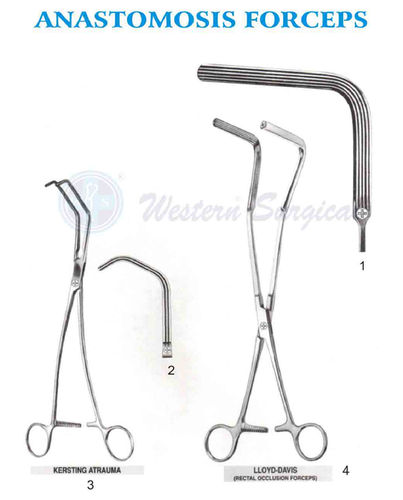

 Send Inquiry

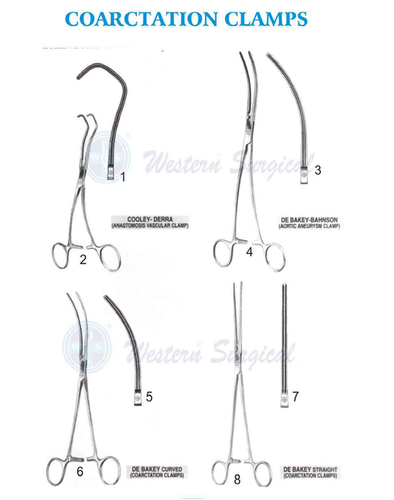
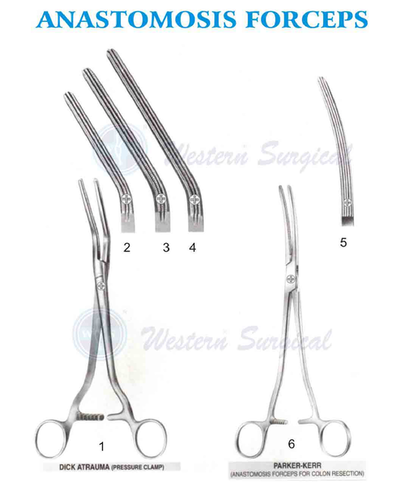
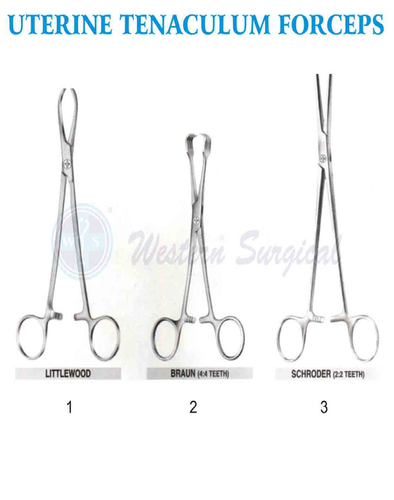
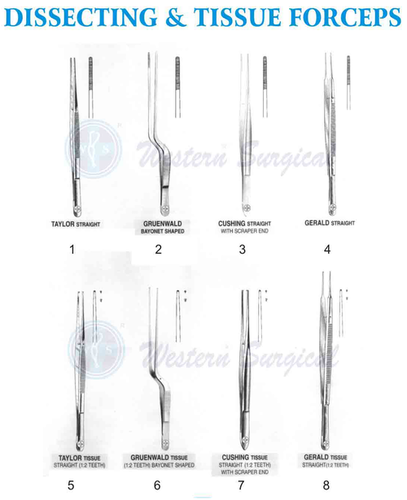

 Send Inquiry


